
Connection Hose Pipe: Types, Sizes & Buying Guide
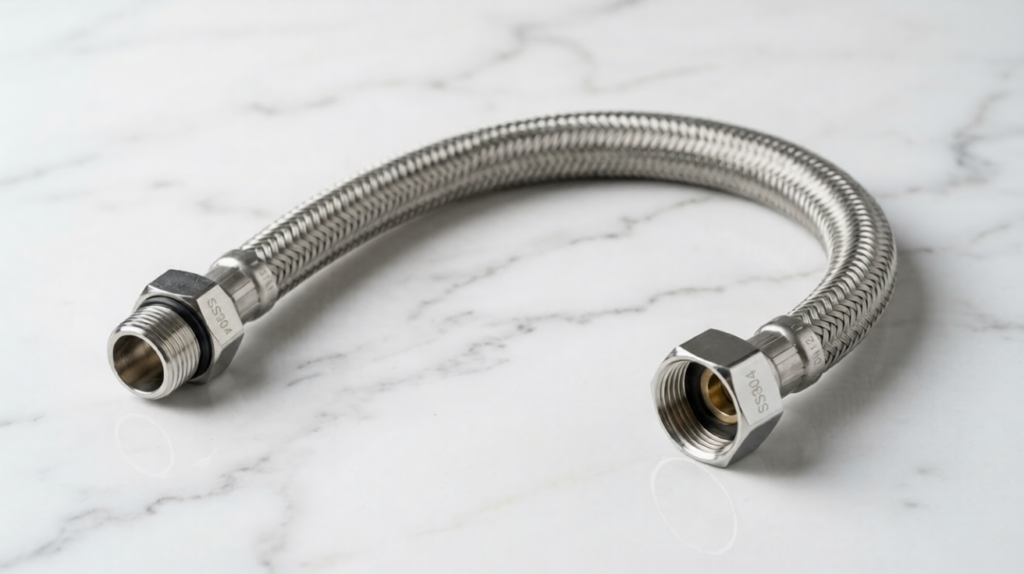
A connection hose pipe is a short, flexible tube that connects your water supply line to a tap, toilet, geyser, or appliance. Without the right one, even a small leak can quietly damage walls, floors, and fittings over time — costing you far more than the pipe itself. You will find a connection hose pipe in more places around your home than you might expect. The bathroom tap, the kitchen sink, the geyser on your wall, the washing machine in the corner — each one depends on a hose to carry water safely from the inlet valve to the fixture. If that hose is the wrong size or made from a weak material, it can burst, drip, or corrode within a year or two. Choosing the right connection hose pipe means knowing which material suits your water pressure, which size fits your fittings, and how long the pipe will realistically last. This guide walks you through all of that in simple, practical terms. Different Types of Connection Hose Pipes and Their Applications There are three types of connection hose pipe you will commonly find in Indian homes — stainless steel braided, PVC, and rubber. Which one you need depends on where you are fitting it, how much water pressure that point carries, and how long you want it to last. Stainless Steel Braided Connection Hose Pipe Look closely at a braided hose pipe, and you will see a steel mesh wrapped around a rubber or PVC inner tube. That outer layer is what gives it strength under pressure. Most plumbers reach for this type first when working on bathroom taps, kitchen sinks, or geyser connections. It costs more upfront, yes. But it easily holds up for 5–10 years without cracking or leaking. PVC Connection Hose Pipe A PVC hose pipe makes sense when your budget is tight, and the water pressure at that point is low. Toilet inlet valves and under-sink connections are where you will see it used most often. Just know that PVC can stiffen and crack over time, usually within 2 to 5 years, particularly in warm rooms. Note: Never use a standard PVC hose on a hot water line or geyser connection. The heat softens the inner tube, which can cause it to balloon and fail suddenly. Rubber Connection Hose Pipe Rubber is naturally bendy, which is exactly why a flexible hose pipe works so well for washing machine connections. The pipe needs to curve around corners without kinking, and rubber handles that do so without any trouble. The one thing to watch, rubber breaks down faster when heat or direct sunlight hits it regularly, so keep it away from geysers and open windows. Type Best For Durability Price Range (₹) Stainless Steel Braided Bathroom, kitchen, geyser High ₹80–₹500+ PVC Low-pressure connections Moderate ₹30–₹100 Rubber Appliances Moderate ₹50–₹200 Connection Hose Pipe Sizes and How to Choose the Correct Length Generally, hose pipes are available in two standard sizes in India: 1/2 inch and 3/4 inch. Most bathroom taps and geyser inlets use ½ inch, while kitchen sink connections and washing machines often need ¾ inch. The correct length depends upon the distance between your wall outlet and the tap or appliance you are connecting. Common lengths available in the market are: Before you buy, measure the exact distance from the centre of your wall outlet to the inlet point on your tap or appliance. Use a simple measuring tape and add about 5–8 cm extra to that number; this gives the hose a gentle curve instead of a straight, pulled line. A connection hose pipe that is too short will stretch tight between the two fittings. That constant tension is one of the most common causes of hose pipe leakage, poor sealing at the joints, and stress cracks over time. Always go slightly longer, never shorter. How to Choose the Best Connection Hose Pipe Before Buying When buying a connection hose pipe, four things matter most: water pressure at the point of use, material quality, connector build, and whether the product carries a warranty or certification. Getting even one of these wrong can mean a leaking joint or a burst pipe within months. 1. Check the Water Pressure First Homes in upper floors or areas with municipal supply often deal with low pressure, while ground-floor homes and those using booster pumps can see quite high pressure. A hose that cannot handle your actual water pressure will balloon, weaken at the joints, and eventually fail. Always check the pressure rating printed on the pack before buying. As a reference, most municipal water supply in Indian homes runs between 1 and 3 bar. If your building uses a booster pump, that can go up to 5 or 6 bar. Look for a hose rated at least 10 bar — most decent braided hoses are — so you have a comfortable safety margin above your actual pressure. 2. Inspect the Material Quality Closely Take the hose and bend it a little. A good hose will be firm but not hard to the touch. Look for a smooth, even interior tube with no visible bubbles or thin spots. If you have a braided hose pipe, the outer steel mesh should be tight and even along the entire length, with no loose or broken wires anywhere. 3. Examine the Connector Quality Carefully The small metal ends on either side of the hose, called hose pipe fittings, matter more than most people realise. Brass connectors resist corrosion far better than plain metal ones and grip the thread more reliably over time. Also, check the rubber washer sitting inside each connector. A thin or uneven washer is a common cause of dripping joints right from day one. 4. Brand, Warranty, and Certifications A hose pipe that comes with even a one-year warranty tells you the manufacturer stands behind it. If the pack carries a BIS or ISI mark, that is a good sign — it means the product has been tested against