

How to Use Health Faucet Properly for Better Hygiene
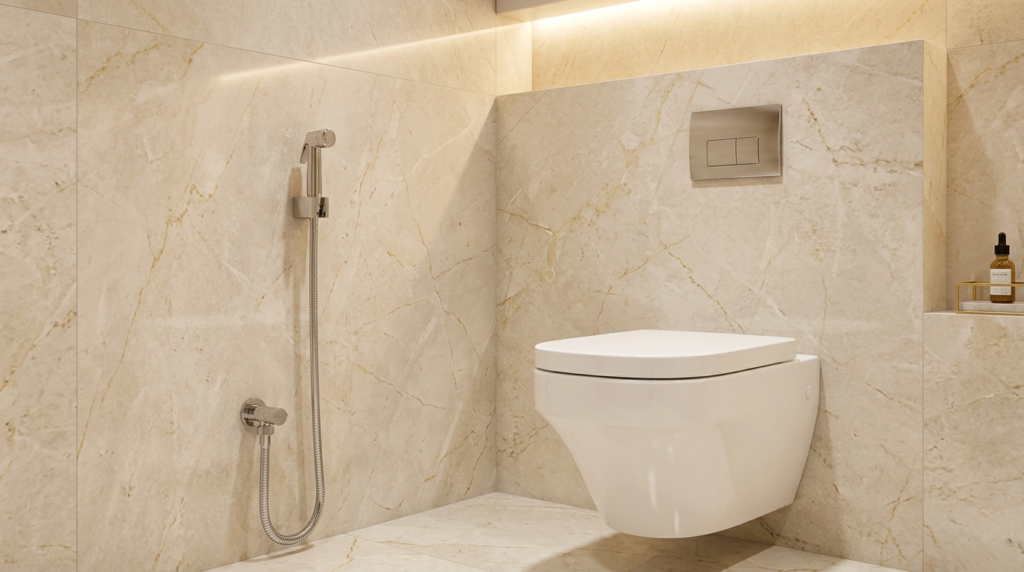
Ever finished using the toilet and still felt not quite clean enough? That’s exactly where a health faucet steps in and changes things. A health faucet is a handheld spray device attached near your toilet. It gives you a quick, targeted rinse — far more effective than dry toilet paper alone. Most people have one installed but never really learn how to use it properly. And that small gap in knowledge can affect your hygiene more than you’d think. This guide walks you through the right way to use a health faucet, the real benefits it offers, common mistakes people make, and how to keep it clean. Let’s start with the basics. How to Use a Health Faucet Properly Honestly, no one really teaches you how to use a health faucet. You put it up, you look at it, and you work it out yourself. But when you get it right, it makes a bigger difference than you might think. Here’s What You Should Do: Step 1: Stay seated after you finish: Don’t rush off just yet—sitting helps everything stay where it should, so the rinse actually works. Step 2: Point the nozzle before you spray: Don’t rush it. Take a moment to aim, then pull the trigger. A small adjustment up front prevents you from spraying in the wrong place altogether. Step 3: Squeeze the trigger gently, just a little at first: No need to go hard right away. A gentle push gives a light, steady stream. That’s really all you need for a good clean. Step 4: Move slowly: Don’t hold it in one place. As you rinse, move the nozzle a little bit. That way you’re not missing spots or over-spraying one area.” Step 5: Pat dry before getting up: Release the trigger and then pat the area dry with toilet paper or a clean cloth. Not good for your skin to walk away from it while it’s still wet. Quick Tip for Women: Always rinse front to back. This direction prevents bacteria from traveling toward the urinary tract and helps prevent infections. Water pressure is more important than most people think. If you go too high, you can get irritation. Too low and it won’t wash right. The best flow for day-to-day use is steady flow in the middle to low range. Benefits of Using a Health Faucet A health faucet does more than just keep you clean. Here’s what you actually get from using one regularly: Reduces toilet paper use, really adds up to savings over months and years, and saves money in the long run. Note: Studies have shown that toilet paper alone only removes some fecal matter. The water purification is much more thorough and hygienic. Health Faucet vs Bidet Hand-Free Toilet Spray vs Toilet Paper Not sure which option is right for you? This quick comparison breaks it down simply. Feature Health Faucet Bidet (Hands-free) Toilet Paper Cost Low High Ongoing expense Hygiene Level High Very High Moderate Water Usage Low–Moderate Moderate None Ease of Use Easy Very Easy Easy Installation Simple Requires plumber None Eco-Friendliness Good Good Poor A health faucet is the best choice for most households – affordable, easy to install, and very effective for daily hygiene. If you want a completely hands-free experience and don’t mind the higher upfront cost, then a bidet hand-free is for you. Toilet paper will do in a pinch, but as a long-term hygiene solution, it just doesn’t compare. Common Mistakes to Avoid While Using a Health Faucet Even with a simple tool like a health faucet, some bad habits can make it less effective or cause discomfort. 1. High pressure of the spray: If you adjust it too high, it may hurt, as well as cause skin irritation. Start low and work your way up. 2. Nozzle direction is wrong: Rinsing from back to front pushes bacteria toward the urinary tract. The risk of infection is higher, especially for women. 3. Not drying the area after rinsing: Any residual dampness provides moisture that can contribute to skin irritation and fungal problems over time. 4. Allowing young children to use it unsupervised: Little kids can squeeze the trigger too hard and spray everywhere but where they’re supposed to. Make sure you’re supervising until they’ve got the hang of it. 5. Skipping nozzle cleaning: When the nozzle’s dirty, bacteria collect fast. That pretty much ruins the whole point of rinsing for hygiene. 6. No cleaning between shares: If you have more than one person using the same faucet, be sure to clean the nozzle between uses to avoid cross-contamination. How to Clean and Maintain a Health Faucet A clean health faucet performs better and lasts longer. Some simple steps to keep yours in good shape. Quick Tip: Don’t spray bleach directly onto the nozzle. This can damage the internal rubber seal and significantly reduce the life of your health faucet. Who Can Benefit Most From a Health Faucet A health faucet is more than a bathroom upgrade — some people need it more than others. 1. Pregnant Women: Rinsing is safer and more comfortable than wiping in pregnancy. 2. Senior Citizens: Personal Hygiene made easy without the hassle of stretching or turning. 3. Hemorrhoids: Water rinsing is soothing rather than irritating the area further. 4. IBS or Digestive Issues: If you find yourself going to the bathroom a lot, a quick rinse makes dealing with it much simpler. 5. Women on their Periods: You will feel fresh and clean all day. 6. Limited Mobility Persons: Reduces dependency on others in personal hygiene tasks. Final Thoughts Good hygiene doesn’t have to be complicated. A health faucet is one of the simplest changes you can make in your bathroom — and the difference it makes is very real. You’ve seen how to use it correctly, step by step. You’ve also looked at the benefits, the common mistakes to sidestep, and how easy it is to keep clean with just a few minutes of care each