

Is Bidet Better Than Wiping? Here’s What Science Says
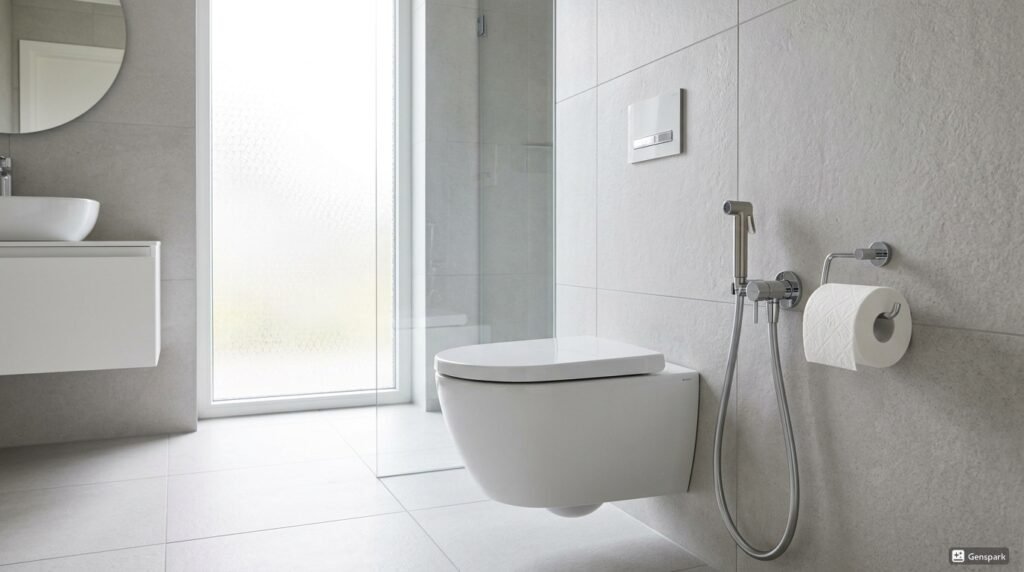
So, is bidet better than wiping — or is toilet paper just fine? If you’ve ever wondered, you’re not alone. Millions across South Asia have used water for personal hygiene forever. The West is only now catching up. But beyond habit and culture, there’s a real question here: which one is actually cleaner? Which one is kinder to your body — and the planet? Science has some surprising answers. Read on, because what you find out might just change what you do in the bathroom every day. What Actually Happens When You Wipe? Think about it honestly. You’re using dry paper to clean a wet, sensitive area. That’s not really cleaning — that’s smearing. Toilet paper moves bacteria around more than it removes them. In fact, studies show it can leave behind up to 8 times more faecal bacteria than water cleansing does. That’s a lot of bacteria you’re walking around with. It gets worse. Wiping repeatedly creates friction. That friction causes tiny micro-tears in the skin around the anus. You can’t see or feel them. But bacteria can find them easily — and that’s how infections start. Three things wiping does that most people ignore: Is a Bidet More Hygienic? What Research Shows The research is pretty clear. Water cleans better than paper. A 2011 study in Epidemiology & Infection found that bidet use significantly reduced bacterial contamination compared to wiping with toilet paper. This isn’t just academic research. The American Society of Colon and Rectal Surgeons (ASCRS) actually recommends water cleansing for patients recovering from colorectal surgery. That says a lot about how effective water is. So, is bidet better than wiping when it comes to hygiene? The evidence says yes. But not all bidets work the same way. Here’s a quick comparison to help you choose: Feature Electric Bidet Manual/Handheld Water pressure Adjustable Fixed Warm water Yes No Spray angle control Yes Manual Price range ₹8,000–₹40,000 ₹400–₹1,200 The handheld bidet, what most Indian homes call a health faucet, is affordable and works well. Electric bidets offer more comfort and control, but cost significantly more. Health Benefits of Bidets Water doesn’t just clean better. It’s genuinely kinder to your body. Here’s what that looks like in real terms: 1. Haemorrhoid Relief: Dry paper on already sore, swollen tissue? That’s just making things worse. Close to 75% of haemorrhoid patients say they felt noticeably less pain once they switched to water cleansing. The difference is immediate for most people. 2. Lower UTI Risk: Wiping front to back sounds simple. But it doesn’t always happen that way. For women and older adults, especially, bacteria travel fast toward the urethra. Water washes it away cleanly, without the guesswork. 3. Gentler for IBD and IBS: Someone with irritable bowel syndrome or inflammatory bowel disease may use the toilet six, eight, or ten times a day. Wiping that many times tears up sensitive skin fast. Water makes each visit far less painful. 4. Safer After Surgery: After colorectal or abdominal surgery, wiping can pull at stitches, cause bleeding, or simply hurt too much. Water cleansing lets patients stay clean without any of that trauma. 5. No Contact Dermatitis: Most toilet paper brands use chlorine bleach and added fragrances. Dermatologists regularly see patients with chronic rashes and irritation down there — and toilet paper chemicals are a surprisingly common culprit. The health case for water cleansing isn’t a trend. It’s based on actual clinical experience and patient outcomes. The Environmental Cost: Paper vs Water Toilet paper feels harmless. But the numbers behind it are staggering. Global toilet paper production cuts down approximately 27,000 trees every single day. Making just one roll uses around 130 litres of water. Meanwhile, a single bidet wash uses only about 0.5 litres. That’s not a small gap — that’s a chasm. Toilet Paper Bidet Water per use (production) ~130 litres ~0.5 litres Trees used globally/day ~27,000 0 Annual cost (India est.) ₹2,000–₹4,000 ₹0 (after setup) The average American spends around $40 a year, roughly ₹3,300 — just on toilet paper. Indians using TP regularly aren’t far behind. Here’s the irony. In water-stressed states like Rajasthan and Maharashtra, people worry about saving every drop. But producing the toilet paper they use costs hundreds of litres more per sitting than a bidet ever would. Bidets in the Indian Context: Not New, Just Evolved India doesn’t need convincing about water cleansing. Most Indian bathrooms already have a health faucet — that handheld jet spray next to the toilet. Water-based hygiene has always been the default here. But are you using it correctly? Here’s the right way: There’s a simple difference worth knowing. A health faucet is a handheld spray you control manually. A bidet seat is a fixed nozzle built into the toilet that sprays automatically. Electric bidet seats are quietly gaining ground in urban India. Post-COVID hygiene awareness pushed people to rethink bathroom habits — and once someone tries an auto-spray bidet seat, they rarely go back. When Might Wiping Still Make Sense? Water is better, but toilet paper isn’t going away anytime soon. And honestly, that’s fine. There are real situations where wiping is just more practical: 1. Travelling: Bidets aren’t available everywhere, and you can’t carry one on a train. 2. Power Cuts: Electric bidet seats go completely useless the moment the electricity goes out. 3. Public Restrooms: Mostly still offer toilet paper. When water isn’t an option, choose bamboo toilet paper or unbleached TP. Both are gentler on skin and far kinder to the environment than regular bleached paper. One more thing worth knowing — over-washing with a bidet isn’t ideal either. Excessive use can disrupt the natural flora of the perianal area. Moderation matters here, too. Final Thoughts The science doesn’t leave much room for debate. Bidets clean better, treat your skin more gently, and cost the planet far less than toilet paper does. So, is bidet better than wiping? For most people, in most situations — yes. For Indian readers, this isn’t even a big