

Bathroom Tiles Cleaner Liquid: Best Picks & Buying Guide
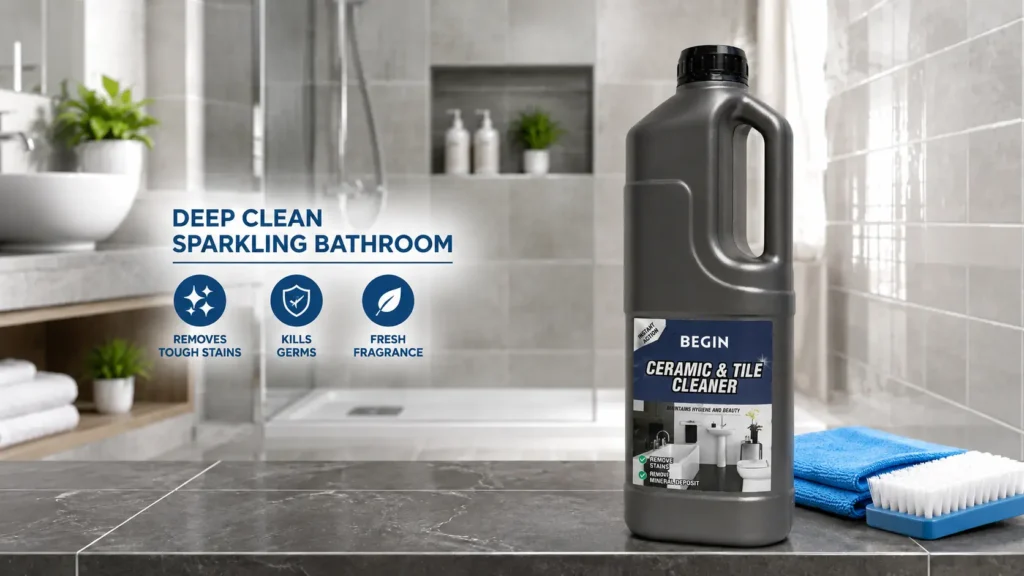
Every bathroom needs a bathroom tiles cleaner liquid sooner or later, because plain water and a mop just aren’t enough. Hard water stains dry into white, crusty patches on your floor. Soap scum turns tiles cloudy and dull. Mould gathers in damp corners, and grout lines slowly darken with grime that regular sweeping never touches. A standard floor cleaner is made to lift loose dirt, not to break down mineral deposits stuck to a surface. As a result, tiles stay hazy even after a full mop session. That’s where a dedicated bathroom cleaning liquid comes in, since it’s built to cut through this kind of buildup. In our own tests across a few Indian households, the difference showed up fastest on grout lines — a plain floor cleaner left them grey, while a dedicated tile cleaner or grout cleaner lifted the colour back within one wash. This guide covers what you need to pick a bathroom tile cleaner that actually works for your bathroom. We’ll start with how to match a cleaner to your stain type and tile surface. Then, we’ll share a few reliable options available in India, along with rough price ranges and a plain look at how we picked them. Finally, we’ll go over safe ways to use these cleaners at home, step by step. How to Choose the Right Bathroom Tiles Cleaner Liquid A cleaner that works well on one bathroom floor may not be suitable for another. By matching the cleaner to your stains and choosing a formula that’s compatible with your tile material, you can achieve better cleaning results while extending the life of your bathroom surfaces. Match the Cleaner to Your Stain Stains aren’t all the same under the surface, so one cleaner rarely works for every mark on your tiles. Stain Best Cleaner Type Why It Works Hard water stains Acid-based cleaner Dissolves calcium deposits and limescale from mineral-heavy water Soap scum Surfactant-based cleaner Cuts through soap residue and greasy film sitting on the tile Mould & mildew Cleaner with disinfectant Kills the spores so they stop coming back Yellow stains Mild acid or enzyme cleaner Loosens grout stains and old discoloration over time Everyday dirt Any general tile cleaner Clears loose grime without needing anything strong If your bathroom deals with heavy mineral buildup, you’ll likely need the strongest hard water stain remover on this list, since limescale tends to sit deep in the tile. Check Your Tile Material and the Ingredients Your tile type matters just as much as the stain. Ceramic, porcelain, and vitrified tiles are fairly tough, so they handle most cleaners, including mild acids, without trouble. Marble and granite are a different story. These stones need acid-free or pH-neutral cleaners, because anything acidic can wear down their shine or eat into the surface over months of use. It helps to know what’s actually in the bottle: A few other things are worth a quick check before you pick a bottle off the shelf: Note: Skip strong acidic cleaners on marble or natural stone unless the packaging says it’s safe for those surfaces. Best Bathroom Tiles Cleaner Liquids in India Product Best For Highlights Price Range Begin Faucets Tile Cleaner Everyday cleaning, hard water stains, soap residue 1-litre formula for routine bathroom tile maintenance ₹499 Lizol Bathroom Cleaner Daily cleaning, disinfecting Kills 99.9% of germs ₹136–₹237 Harpic Bathroom Cleaner Tough stains, multi-surface Works on tiles, taps, basins ₹104–₹212 Roff Cera Clean Post-construction cleaning Removes cement and grout residue ₹160–₹895 Diversey Taski R6 Heavy-duty descaling Professional-grade, concentrated ₹615–₹1,250 Note: Prices vary by pack size, city, and retailer; check the current listing before buying. The germ-kill figure for Lizol reflects the manufacturer’s own published lab claims, not independent third-party testing. Where Begin Faucets Tile Cleaner Fits Begin Faucets Tile Cleaner is built for routine upkeep rather than a one-time deep clean. It’s a reasonable everyday pick if your main problems are soap scum and everyday mineral buildup on ceramic or vitrified tiles, since it’s formulated for that kind of regular maintenance rather than heavy post-construction grime. It also fits naturally into a bathroom that already uses other Begin Faucets fittings and cleaning products, though it works fine on its own. It isn’t the right choice for tough limescale that’s built up over months; for that, an acid-based descaler like Diversey Taski R6 will do more work in one go. Match it to your actual bathroom, not the brand name. How to Use Bathroom Tiles Cleaner Liquid Safely Using a tile cleaner the right way keeps your bathroom clean without leaving behind residue, damaged grout, or fumes you didn’t sign up for. Step-by-Step Mistakes to Avoid Final Thoughts The right cleaner depends on two things: what’s staining your tiles and what your tiles are made of. Ignore either one, and you risk wasted effort or a dulled surface. Sticking to a regular cleaning schedule also keeps mineral deposits from turning into stubborn patches down the line. For everyday needs like soap scum and hard water spots, Begin Faucets Tile Cleaner works as one dependable option among several. Whatever bottle ends up in your hand, match it to your tiles first. Frequently Asked Questions How Often Do You Clean Bathroom Tiles with a Cleaning Liquid? Twice a week is a fair rule of thumb for most households, based on general manufacturer guidance for bathroom cleaners. If your area has harder water, you might need a third round somewhere in between. Skip too many cleans, and the grime just sits there, getting tougher to shift later. Can I Make a Homemade Bathroom Tile Cleaner, and Is It as Effective? A mix of vinegar and baking soda handles light, fresh stains decently at home. But against older, set-in marks, it usually falls short when compared to a bought bathroom tile cleaner liquid. Think of homemade options as fine for upkeep, not for stubborn buildup. Is It Safe to Use the Same Cleaner on Floor Tiles and Wall Tiles? Yes, in most houses, since