So, is bidet better than wiping — or is toilet paper just fine? If you’ve ever wondered, you’re not alone.
Millions across South Asia have used water for personal hygiene forever. The West is only now catching up. But beyond habit and culture, there’s a real question here: which one is actually cleaner? Which one is kinder to your body — and the planet?
Science has some surprising answers. Read on, because what you find out might just change what you do in the bathroom every day.
What Actually Happens When You Wipe?
Think about it honestly. You’re using dry paper to clean a wet, sensitive area. That’s not really cleaning — that’s smearing.
Toilet paper moves bacteria around more than it removes them. In fact, studies show it can leave behind up to 8 times more faecal bacteria than water cleansing does. That’s a lot of bacteria you’re walking around with.
It gets worse. Wiping repeatedly creates friction. That friction causes tiny micro-tears in the skin around the anus. You can’t see or feel them. But bacteria can find them easily — and that’s how infections start.
Three things wiping does that most people ignore:
- Spreads bacteria toward the urethra and nearby skin.
- Damages skin through daily friction and micro-tears.
- Irritates tissue thanks to bleach and chemicals in most toilet paper brands.
Is a Bidet More Hygienic? What Research Shows
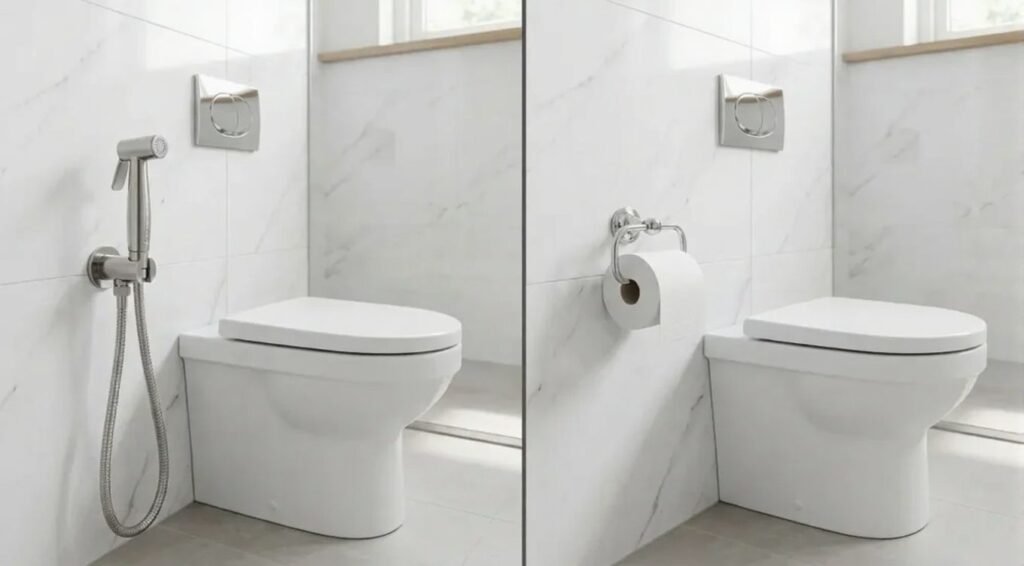
The research is pretty clear. Water cleans better than paper.
A 2011 study in Epidemiology & Infection found that bidet use significantly reduced bacterial contamination compared to wiping with toilet paper. This isn’t just academic research.
The American Society of Colon and Rectal Surgeons (ASCRS) actually recommends water cleansing for patients recovering from colorectal surgery. That says a lot about how effective water is.
So, is bidet better than wiping when it comes to hygiene? The evidence says yes.
But not all bidets work the same way. Here’s a quick comparison to help you choose:
| Feature | Electric Bidet | Manual/Handheld |
| Water pressure | Adjustable | Fixed |
| Warm water | Yes | No |
| Spray angle control | Yes | Manual |
| Price range | ₹8,000–₹40,000 | ₹400–₹1,200 |
The handheld bidet, what most Indian homes call a health faucet, is affordable and works well. Electric bidets offer more comfort and control, but cost significantly more.
Health Benefits of Bidets
Water doesn’t just clean better. It’s genuinely kinder to your body. Here’s what that looks like in real terms:
1. Haemorrhoid Relief: Dry paper on already sore, swollen tissue? That’s just making things worse. Close to 75% of haemorrhoid patients say they felt noticeably less pain once they switched to water cleansing. The difference is immediate for most people.
2. Lower UTI Risk: Wiping front to back sounds simple. But it doesn’t always happen that way. For women and older adults, especially, bacteria travel fast toward the urethra. Water washes it away cleanly, without the guesswork.
3. Gentler for IBD and IBS: Someone with irritable bowel syndrome or inflammatory bowel disease may use the toilet six, eight, or ten times a day. Wiping that many times tears up sensitive skin fast. Water makes each visit far less painful.
4. Safer After Surgery: After colorectal or abdominal surgery, wiping can pull at stitches, cause bleeding, or simply hurt too much. Water cleansing lets patients stay clean without any of that trauma.
5. No Contact Dermatitis: Most toilet paper brands use chlorine bleach and added fragrances. Dermatologists regularly see patients with chronic rashes and irritation down there — and toilet paper chemicals are a surprisingly common culprit.
The health case for water cleansing isn’t a trend. It’s based on actual clinical experience and patient outcomes.
The Environmental Cost: Paper vs Water
Toilet paper feels harmless. But the numbers behind it are staggering.
Global toilet paper production cuts down approximately 27,000 trees every single day. Making just one roll uses around 130 litres of water. Meanwhile, a single bidet wash uses only about 0.5 litres. That’s not a small gap — that’s a chasm.
| Toilet Paper | Bidet | |
| Water per use (production) | ~130 litres | ~0.5 litres |
| Trees used globally/day | ~27,000 | 0 |
| Annual cost (India est.) | ₹2,000–₹4,000 | ₹0 (after setup) |
The average American spends around $40 a year, roughly ₹3,300 — just on toilet paper. Indians using TP regularly aren’t far behind.
Here’s the irony. In water-stressed states like Rajasthan and Maharashtra, people worry about saving every drop. But producing the toilet paper they use costs hundreds of litres more per sitting than a bidet ever would.
Bidets in the Indian Context: Not New, Just Evolved
India doesn’t need convincing about water cleansing. Most Indian bathrooms already have a health faucet — that handheld jet spray next to the toilet. Water-based hygiene has always been the default here.
But are you using it correctly? Here’s the right way:
- Position the nozzle toward the perineal area.
- Start with low pressure — increase gradually as needed.
- Keep the angle pointing downward to avoid splashback.
- Cleanse gently for 15–20 seconds.
- Pat dry with a small piece of toilet paper or a clean towel.
There’s a simple difference worth knowing. A health faucet is a handheld spray you control manually. A bidet seat is a fixed nozzle built into the toilet that sprays automatically.
Electric bidet seats are quietly gaining ground in urban India. Post-COVID hygiene awareness pushed people to rethink bathroom habits — and once someone tries an auto-spray bidet seat, they rarely go back.
When Might Wiping Still Make Sense?
Water is better, but toilet paper isn’t going away anytime soon. And honestly, that’s fine.
There are real situations where wiping is just more practical:
1. Travelling: Bidets aren’t available everywhere, and you can’t carry one on a train.
2. Power Cuts: Electric bidet seats go completely useless the moment the electricity goes out.
3. Public Restrooms: Mostly still offer toilet paper.
When water isn’t an option, choose bamboo toilet paper or unbleached TP. Both are gentler on skin and far kinder to the environment than regular bleached paper.
One more thing worth knowing — over-washing with a bidet isn’t ideal either. Excessive use can disrupt the natural flora of the perianal area. Moderation matters here, too.
Final Thoughts
The science doesn’t leave much room for debate. Bidets clean better, treat your skin more gently, and cost the planet far less than toilet paper does. So, is bidet better than wiping? For most people, in most situations — yes.
For Indian readers, this isn’t even a big leap. A bidet seat is simply a smarter, more comfortable upgrade to the health faucet you already trust.
That said, the best habit is an informed one. Use water as your primary method, and keep TP as a backup when you truly need it.
Ready to make the switch? Check out our collection of the best bidets and jet sprays available in India.
Frequently Asked Questions
Can You Safely Use a Bidet if You Have Eczema or Psoriasis?
Yes, just use warm water and don’t press too hard. Avoid rubbing when you dry off. Pat gently instead.
Is Bidet Water Sanitary? Could It Spread Germs?
Bidet water comes from the same clean mains supply as your kitchen tap. Good quality models come with self-cleaning nozzles that rinse before and after each use.
How Do I Dry Off After Using a Bidet?
You have three simple options. Pat dry with a small piece of toilet paper, use a clean, dedicated towel kept just for this purpose, or if you have an electric bidet seat, let the built-in warm air dryer do the job for you.
Related Products
Explore products related to this article
-
 25%
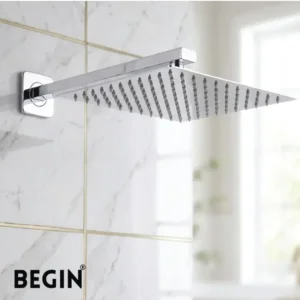
25%Ultra Slim Overhead Shower 12×12 AB3204 – Begin Faucets
Original price was: ₹1,500.00.₹1,125.00Current price is: ₹1,125.00. Add to cart -
25%
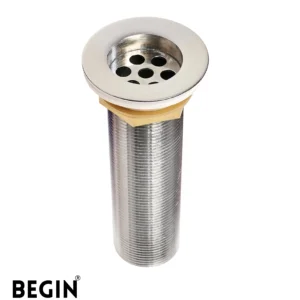
Brass Waste Coupling 6 Inch (32mm) AA0053 | Begin Faucets
Original price was: ₹517.00.₹388.00Current price is: ₹388.00. Add to cart -
25%
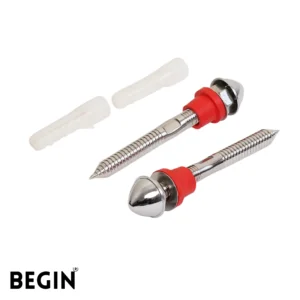
BEGIN SS BRACKET 16MM AE0045
Original price was: ₹617.00.₹463.00Current price is: ₹463.00. Add to cart -
25%
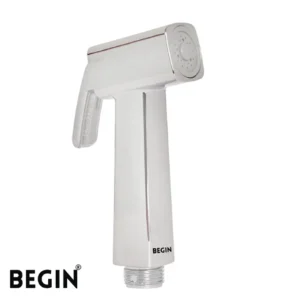
Health Faucet Set Square Shape | ABS Plastic Ss304 | Chrome Finish
Original price was: ₹680.00.₹510.00Current price is: ₹510.00. Add to cart