A connection hose pipe is a short, flexible tube that connects your water supply line to a tap, toilet, geyser, or appliance. Without the right one, even a small leak can quietly damage walls, floors, and fittings over time — costing you far more than the pipe itself.
You will find a connection hose pipe in more places around your home than you might expect. The bathroom tap, the kitchen sink, the geyser on your wall, the washing machine in the corner — each one depends on a hose to carry water safely from the inlet valve to the fixture. If that hose is the wrong size or made from a weak material, it can burst, drip, or corrode within a year or two.
Choosing the right connection hose pipe means knowing which material suits your water pressure, which size fits your fittings, and how long the pipe will realistically last. This guide walks you through all of that in simple, practical terms.
Different Types of Connection Hose Pipes and Their Applications
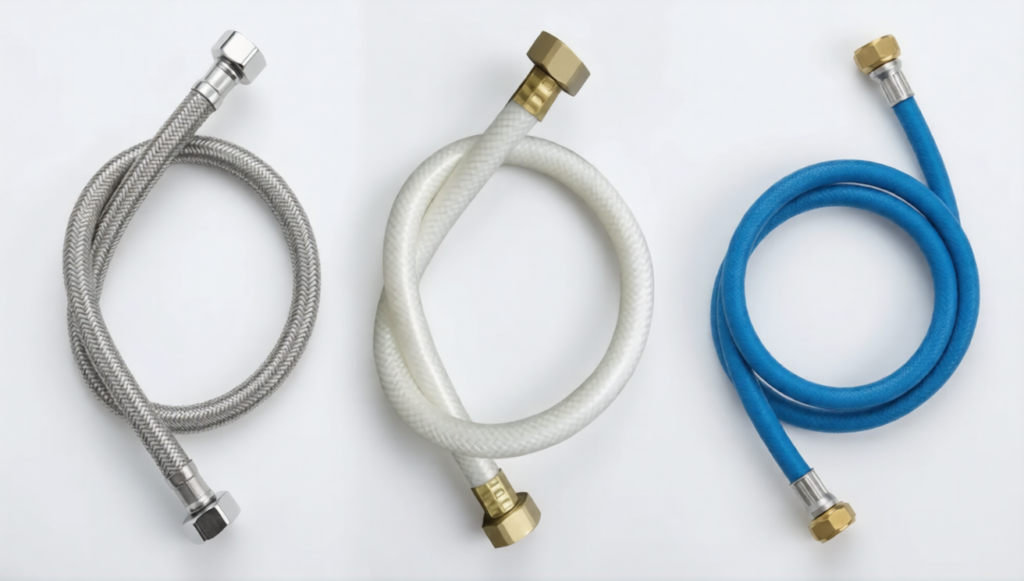
There are three types of connection hose pipe you will commonly find in Indian homes — stainless steel braided, PVC, and rubber. Which one you need depends on where you are fitting it, how much water pressure that point carries, and how long you want it to last.
Stainless Steel Braided Connection Hose Pipe
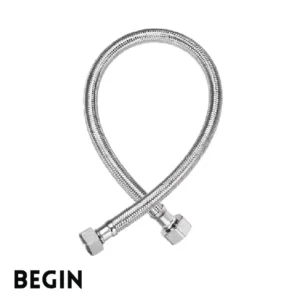
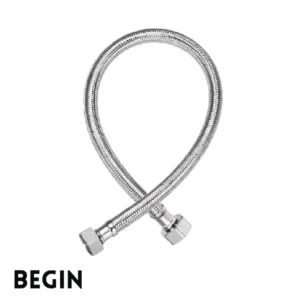
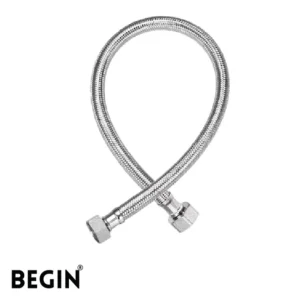
Look closely at a braided hose pipe, and you will see a steel mesh wrapped around a rubber or PVC inner tube. That outer layer is what gives it strength under pressure.
Most plumbers reach for this type first when working on bathroom taps, kitchen sinks, or geyser connections. It costs more upfront, yes. But it easily holds up for 5–10 years without cracking or leaking.
PVC Connection Hose Pipe
A PVC hose pipe makes sense when your budget is tight, and the water pressure at that point is low. Toilet inlet valves and under-sink connections are where you will see it used most often.
Just know that PVC can stiffen and crack over time, usually within 2 to 5 years, particularly in warm rooms.
Note: Never use a standard PVC hose on a hot water line or geyser connection. The heat softens the inner tube, which can cause it to balloon and fail suddenly.
Rubber Connection Hose Pipe
Rubber is naturally bendy, which is exactly why a flexible hose pipe works so well for washing machine connections. The pipe needs to curve around corners without kinking, and rubber handles that do so without any trouble.
The one thing to watch, rubber breaks down faster when heat or direct sunlight hits it regularly, so keep it away from geysers and open windows.
| Type | Best For | Durability | Price Range (₹) |
| Stainless Steel Braided | Bathroom, kitchen, geyser | High | ₹80–₹500+ |
| PVC | Low-pressure connections | Moderate | ₹30–₹100 |
| Rubber | Appliances | Moderate | ₹50–₹200 |
Connection Hose Pipe Sizes and How to Choose the Correct Length
Generally, hose pipes are available in two standard sizes in India: 1/2 inch and 3/4 inch. Most bathroom taps and geyser inlets use ½ inch, while kitchen sink connections and washing machines often need ¾ inch.
The correct length depends upon the distance between your wall outlet and the tap or appliance you are connecting.
Common lengths available in the market are:
- 15 cm — very short connections, usually behind wall-mounted taps.
- 30 cm — standard under-sink and bathroom tap connections.
- 40–50 cm — a slightly longer reach, useful in older homes where the outlet sits further back from the fixture.
- 60 cm — kitchen sink connections and geyser setups.
- 90 cm — washing machine inlets and longer wall-to-appliance gaps.
- 1 metre and above — used when the water outlet and the appliance are far apart.
Before you buy, measure the exact distance from the centre of your wall outlet to the inlet point on your tap or appliance. Use a simple measuring tape and add about 5–8 cm extra to that number; this gives the hose a gentle curve instead of a straight, pulled line.
A connection hose pipe that is too short will stretch tight between the two fittings. That constant tension is one of the most common causes of hose pipe leakage, poor sealing at the joints, and stress cracks over time. Always go slightly longer, never shorter.
How to Choose the Best Connection Hose Pipe Before Buying
When buying a connection hose pipe, four things matter most: water pressure at the point of use, material quality, connector build, and whether the product carries a warranty or certification. Getting even one of these wrong can mean a leaking joint or a burst pipe within months.
1. Check the Water Pressure First
Homes in upper floors or areas with municipal supply often deal with low pressure, while ground-floor homes and those using booster pumps can see quite high pressure.
A hose that cannot handle your actual water pressure will balloon, weaken at the joints, and eventually fail. Always check the pressure rating printed on the pack before buying.
As a reference, most municipal water supply in Indian homes runs between 1 and 3 bar. If your building uses a booster pump, that can go up to 5 or 6 bar. Look for a hose rated at least 10 bar — most decent braided hoses are — so you have a comfortable safety margin above your actual pressure.
2. Inspect the Material Quality Closely
Take the hose and bend it a little. A good hose will be firm but not hard to the touch. Look for a smooth, even interior tube with no visible bubbles or thin spots.
If you have a braided hose pipe, the outer steel mesh should be tight and even along the entire length, with no loose or broken wires anywhere.
3. Examine the Connector Quality Carefully
The small metal ends on either side of the hose, called hose pipe fittings, matter more than most people realise. Brass connectors resist corrosion far better than plain metal ones and grip the thread more reliably over time.
Also, check the rubber washer sitting inside each connector. A thin or uneven washer is a common cause of dripping joints right from day one.
4. Brand, Warranty, and Certifications
A hose pipe that comes with even a one-year warranty tells you the manufacturer stands behind it.
If the pack carries a BIS or ISI mark, that is a good sign — it means the product has been tested against a recognised Indian standard. That said, ISI certification is not mandatory for all hose types, so a good-quality product from a known brand may not carry the mark.
In that case, check for the brand’s own quality warranty and read the product specifications for pressure rating and material grade.
Installation and Maintenance Tips to Increase the Life of a Connection Hose Pipe
The single most important rule before fitting any hose is to shut off the water supply completely. Hand-tighten the connectors first until they feel snug, then use a spanner to tighten a little further — stop the moment you feel firm resistance.
There is no fixed number of turns that applies to every fitting; what you are aiming for is a firm, sealed joint without forcing it. Overtightening is one of the most common causes of cracked fittings, especially on PVC threads.
Installation Best Practices
- Always turn off the main water supply or the inlet valve before you start work.
- Make sure the hose pipe fitting on both ends matches the thread size of your tap or inlet valve exactly.
- Tighten connectors firmly by hand first, then use a spanner for just a small additional turn — stop the moment you feel resistance.
- Never twist the hose along its length or bend it at a sharp angle, as both weaken the inner tube over time
Maintenance Tips
- Check behind taps, under sinks, and near the geyser every two to three months for any sign of dripping or moisture.
- Look along the full length of the hose for rust spots, surface cracks, or any section that looks swollen or bulging.
- Replace the rubber washer inside each connector at the first sign of wear. A ₹5 washer can prevent a much bigger problem.
- Do not wait for a hose to actually leak before changing it; if it looks worn, replace it
A connection hose pipe made from stainless steel braided material typically lasts 5–10 years, rubber hoses last around 3–5 years, and PVC hoses generally need replacing after 2–5 years.
Common Connection Hose Pipe Problems and How to Fix Them
Most hose pipe leakage and performance problems trace back to three things — the hose getting old, water pressure that is too high for the pipe to handle, or a washer that has worn thin over time. Catching these early saves you from water damage and costly repairs.
Most problems you will face with a water connection pipe fall into one of four categories:
| Problem | Possible Cause | Solution |
| Leakage at joints | Loose connection or damaged washer | Tighten the fitting or replace the washer |
| Low water flow | Internal blockage inside the hose | Clean or replace the hose |
| Cracks or bulging | Ageing or excessive water pressure | Replace the hose immediately |
| Rust or corrosion | Poor-quality connector material | Upgrade to a stainless steel hose |
Note: To check for a blockage, disconnect both ends, hold the hose up to the light, and look through it. If you can see through clearly, the blockage is likely in the tap aerator or valve, not the hose itself.
Most of these fixes take under ten minutes with basic tools. However, if the same joint keeps leaking after you have already replaced the washer and re-tightened it, or if the hose runs behind a wall or under fixed cabinetry, then stop and call a plumber.
Wrapping It Up
A connection hose pipe may be one of the smallest fittings in your home, but it carries the full responsibility of keeping your water supply leak-free every single day.
Yet most homeowners only think about it after something goes wrong. The material, size, water pressure, and connector quality all decide how long it holds up — get any one of these wrong, and you are looking at drips, damage, and an early replacement.
Spending a little more on a hose that suits your actual conditions is almost always worth it. Choose well, fit it right, and it will simply get on with the job.
Frequently Asked Questions
Can a Connection Hose Pipe Carry Both Hot and Cold Water?
It depends on the material. PVC hoses soften and fail on hot water lines. If you are connecting a geyser or any hot water outlet, stick to stainless steel braided, which handles the heat without breaking down.
Are Connection Hose Pipes Universal, or Do They Fit Only Specific Taps?
They are not universal at all. Thread sizes differ from tap to tap. Before you buy, check whether your fitting needs a ½ inch or ¾ inch connector; otherwise, the hose simply will not seal properly.
Can I Install or Replace a Connection Hose Pipe Myself, or Do I Need a Plumber?
A straightforward replacement is something most people can handle with just a spanner and ten minutes. Where it gets tricky is when the old fitting has corroded badly, or the pipe sits behind a fixed wall.
What is the Difference Between a Flexible Hose Pipe and a Rigid Connection Pipe?
The flexible hose bends and adapts to fit into awkward angles between the outlet and the fixture. The rigid pipe stays in one shape, which makes installation difficult where space is tight.
What are the Warning Signs That a Hose Pipe Needs Urgent Replacement, Not Just a Repair?
If you spot the hose bulging anywhere along its length, feel it turning soft or spongy, or find the same joint leaking again after you already fixed it once, stop repairing and replace the whole hose.
Related Products
Explore products related to this article
-
 25%
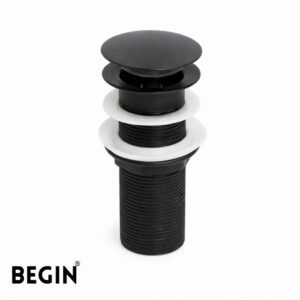
25%Pop-Up Brass Waste Coupling 5 Inch | Matte Black
Original price was: ₹950.00.₹715.00Current price is: ₹715.00. Add to cart -
25%
SS Connection Pipe 36 Inch | Stainless Steel | BEGIN
Original price was: ₹566.00.₹425.00Current price is: ₹425.00. Add to cart -
25%
SS Connection Pipe 30 Inch | Stainless Steel
Original price was: ₹466.00.₹350.00Current price is: ₹350.00. Add to cart -
25%
SS Connection Pipe 24 Inch | Stainless Steel
Original price was: ₹317.00.₹238.00Current price is: ₹238.00. Add to cart