
Best Tap and Shower Cleaner for Hard Water Stains and Limescale
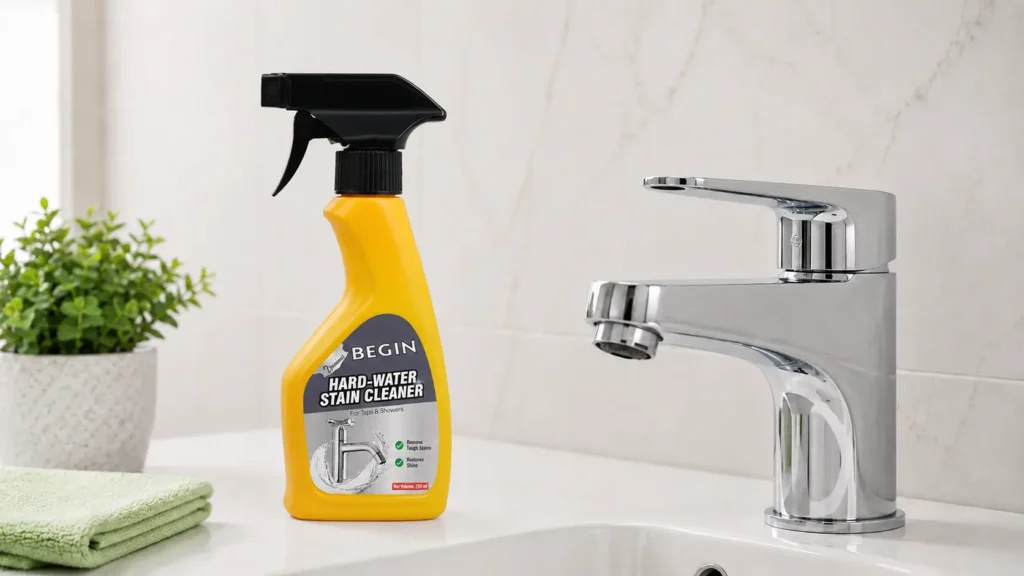
If your tap looked brand new a few weeks ago and now has that dull, spotty film on it, you’re not doing anything wrong. Most of India runs on hard water, and groundwater studies from major cities put the figure at somewhere around 85% of households dealing with moderate to severe hardness. That’s calcium and magnesium sitting in your water supply, and every time it touches a metal surface and dries, it leaves a little bit of itself behind. It’s not just a cosmetic issue either. Ignore it long enough, and the buildup clogs your showerhead nozzles, drops your water pressure, and in some cases starts eating into the coating on nicer fittings. None of that is a huge deal on its own, but it adds up fast if nobody’s paying attention. This blog walks through why the staining happens in the first place, what tap and shower cleaners are available in the market, what’s actually in the cleaners that claim to fix it, whether vinegar from your kitchen cabinet can genuinely replace a bottled product, and how to build a cleaning habit that won’t wreck your fixtures in the process. Why do Taps and Showers Get Hard Water Stains? Hard water carries dissolved minerals, and those minerals don’t go anywhere when the water evaporates. They stay put. Over weeks and months, that residue thickens into something you can actually see and feel. A few different things show up, and they’re not all the same problem: Humid bathrooms make all of this worse because surfaces stay wet longer, which just gives minerals more time to settle in. And depending on which city you’re in, your water might be dramatically harder or softer than your neighbor’s, so don’t be surprised if your cleaning routine needs to be more aggressive than what worked at your last place. What’s Actually Inside Tap and Shower Cleaners Most tap and shower cleaners lean on mild acids to break the mineral bonds without chewing through the metal or finish underneath. Worth knowing what you’re spraying, honestly; not all acids are created equal here. Ingredient What It Does Works Best For Citric acid Naturally derived, breaks down light-to-moderate buildup without being harsh. Weekly upkeep Lactic acid Gentle, skin-friendly, handles soap scum and light limescale well. Sensitive or coated finishes Sulfamic acid A heavier-duty descaler for thick, hardened crust. Serious, long-neglected limescale If you’re cleaning weekly and just staying on top of things, citric or lactic acid formulas are the safer pick. They’re gentle enough for finishes like rose gold or matte black that scratch or dull easily. Sulfamic acid gets the job done faster on stubborn buildup, but I’d use it sparingly, and if you’ve got a premium coated fixture, test it on a hidden spot first before going all in. Vinegar or a Proper Cleaner? Here’s the Honest Answer Vinegar and baking soda are the usual go-to home remedies, and people want to know if they actually work or if it’s just internet folklore. They do work, to a point. Vinegar’s acetic acid can loosen light scale and soap film reasonably well, especially on plain chrome. A cloth soaked in diluted vinegar wrapped around a showerhead overnight is a legitimately cheap, effective fix if the buildup isn’t too bad. Where it falls apart is on anything other than basic chrome. Brass, rose gold, matte black, PVD gold — vinegar is too acidic for these, and using it repeatedly will dull or strip the coating over time. It also just doesn’t have the strength to deal with limescale that’s been sitting for months; a proper descaler will clear that in one go where vinegar might need five attempts and still leave residue. How to Choose the Right Tap and Shower Cleaner for Your Bathroom A decent cleaner clears the grime without wrecking the finish. A few things worth checking before you buy one. Does it actually cover the basics — hard water stains, limescale, soap scum, water spots, light rust? Most claim to, but check the label rather than assuming. Look for something non-abrasive that works fast and rinses off cleanly. Nobody wants a cleaner that leaves its own residue behind or lingers with a chemical smell for hours. And match it to your finish, because this part actually matters: Finish What Works Chrome Fairly tough, but rough scrubbing will still scratch it; stick to mild cleaners. Stainless Steel Non-abrasive only, or you’ll dull the shine. Brass Gentle, low-acid formulas; brass tarnishes quickly otherwise. Matte Black Skip abrasive pads entirely; they strip the coating down to bare metal. Rose Gold Soft, non-acidic cleaners only; the plating is delicate. Gold Finish (PVD) Mild, PVD-safe formulas; strong acids will wear it down. Brushed Nickel Microfiber cloth and a gentle cleaner to keep the texture intact. Best Tap and Shower Cleaners in India Every bathroom faces its own mix of stains, so one product rarely fits all needs. Use this table to match a tap and shower cleaner to your actual problem. Product Handles Hard Water Stains Removes Limescale Safe on Premium Finishes Good for Weekly Use Rough Price Range Begin Faucets Tap & Faucet Cleaner Yes Yes Yes Yes ₹1,900 Happi Planet Tap Cleaner & Limescale Remover Yes Strong Check the label first Not really ₹200–₹299 Koparo Tap & Shower Cleaner Yes Light to moderate Yes Yes ₹149–₹299 JOFF Tap & Shower Cleaner Yes Moderate Yes Yes ₹150–₹300 Right Pure Tap & Shower Cleaner Yes Moderate Check the label first Somewhat ₹200–₹350 Prices shift depending on pack size and seller, so treat these as ballpark figures. And genuinely check the label for finish compatibility before your first use; this matters more on plated or coated fittings than people realize. If you’re dealing with limescale that’s been building for a while, go with something stronger like Happi Planet. For a lighter weekly wipe-down, Koparo or JOFF do the job without being overkill. And if your bathroom has premium fittings, don’t just chase the strongest formula on the shelf —
Bathroom Tiles Cleaner Liquid: Best Picks & Buying Guide
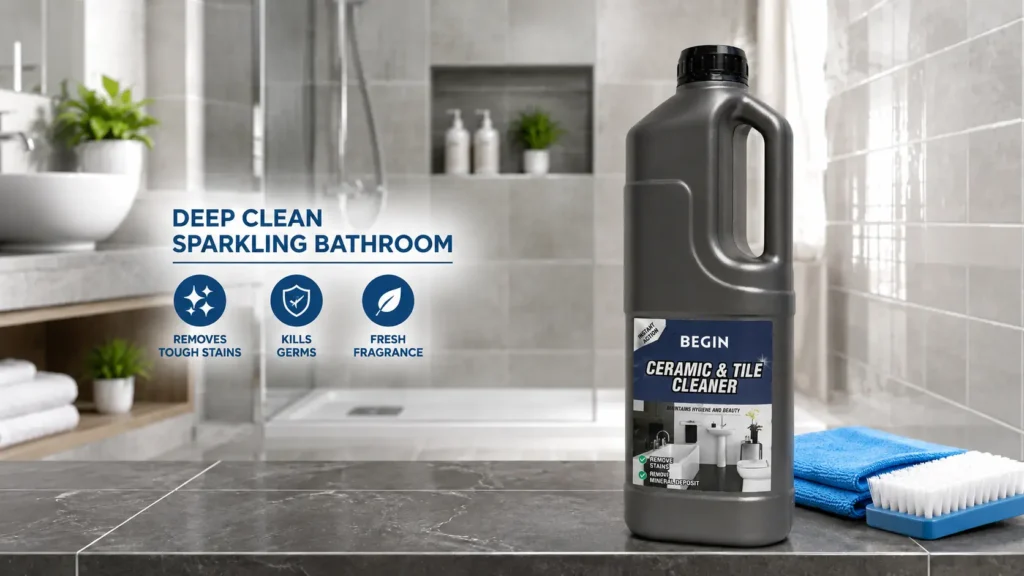
Every bathroom needs a bathroom tiles cleaner liquid sooner or later, because plain water and a mop just aren’t enough. Hard water stains dry into white, crusty patches on your floor. Soap scum turns tiles cloudy and dull. Mould gathers in damp corners, and grout lines slowly darken with grime that regular sweeping never touches. A standard floor cleaner is made to lift loose dirt, not to break down mineral deposits stuck to a surface. As a result, tiles stay hazy even after a full mop session. That’s where a dedicated bathroom cleaning liquid comes in, since it’s built to cut through this kind of buildup. In our own tests across a few Indian households, the difference showed up fastest on grout lines — a plain floor cleaner left them grey, while a dedicated tile cleaner or grout cleaner lifted the colour back within one wash. This guide covers what you need to pick a bathroom tile cleaner that actually works for your bathroom. We’ll start with how to match a cleaner to your stain type and tile surface. Then, we’ll share a few reliable options available in India, along with rough price ranges and a plain look at how we picked them. Finally, we’ll go over safe ways to use these cleaners at home, step by step. How to Choose the Right Bathroom Tiles Cleaner Liquid A cleaner that works well on one bathroom floor may not be suitable for another. By matching the cleaner to your stains and choosing a formula that’s compatible with your tile material, you can achieve better cleaning results while extending the life of your bathroom surfaces. Match the Cleaner to Your Stain Stains aren’t all the same under the surface, so one cleaner rarely works for every mark on your tiles. Stain Best Cleaner Type Why It Works Hard water stains Acid-based cleaner Dissolves calcium deposits and limescale from mineral-heavy water Soap scum Surfactant-based cleaner Cuts through soap residue and greasy film sitting on the tile Mould & mildew Cleaner with disinfectant Kills the spores so they stop coming back Yellow stains Mild acid or enzyme cleaner Loosens grout stains and old discoloration over time Everyday dirt Any general tile cleaner Clears loose grime without needing anything strong If your bathroom deals with heavy mineral buildup, you’ll likely need the strongest hard water stain remover on this list, since limescale tends to sit deep in the tile. Check Your Tile Material and the Ingredients Your tile type matters just as much as the stain. Ceramic, porcelain, and vitrified tiles are fairly tough, so they handle most cleaners, including mild acids, without trouble. Marble and granite are a different story. These stones need acid-free or pH-neutral cleaners, because anything acidic can wear down their shine or eat into the surface over months of use. It helps to know what’s actually in the bottle: A few other things are worth a quick check before you pick a bottle off the shelf: Note: Skip strong acidic cleaners on marble or natural stone unless the packaging says it’s safe for those surfaces. Best Bathroom Tiles Cleaner Liquids in India Product Best For Highlights Price Range Begin Faucets Tile Cleaner Everyday cleaning, hard water stains, soap residue 1-litre formula for routine bathroom tile maintenance ₹499 Lizol Bathroom Cleaner Daily cleaning, disinfecting Kills 99.9% of germs ₹136–₹237 Harpic Bathroom Cleaner Tough stains, multi-surface Works on tiles, taps, basins ₹104–₹212 Roff Cera Clean Post-construction cleaning Removes cement and grout residue ₹160–₹895 Diversey Taski R6 Heavy-duty descaling Professional-grade, concentrated ₹615–₹1,250 Note: Prices vary by pack size, city, and retailer; check the current listing before buying. The germ-kill figure for Lizol reflects the manufacturer’s own published lab claims, not independent third-party testing. Where Begin Faucets Tile Cleaner Fits Begin Faucets Tile Cleaner is built for routine upkeep rather than a one-time deep clean. It’s a reasonable everyday pick if your main problems are soap scum and everyday mineral buildup on ceramic or vitrified tiles, since it’s formulated for that kind of regular maintenance rather than heavy post-construction grime. It also fits naturally into a bathroom that already uses other Begin Faucets fittings and cleaning products, though it works fine on its own. It isn’t the right choice for tough limescale that’s built up over months; for that, an acid-based descaler like Diversey Taski R6 will do more work in one go. Match it to your actual bathroom, not the brand name. How to Use Bathroom Tiles Cleaner Liquid Safely Using a tile cleaner the right way keeps your bathroom clean without leaving behind residue, damaged grout, or fumes you didn’t sign up for. Step-by-Step Mistakes to Avoid Final Thoughts The right cleaner depends on two things: what’s staining your tiles and what your tiles are made of. Ignore either one, and you risk wasted effort or a dulled surface. Sticking to a regular cleaning schedule also keeps mineral deposits from turning into stubborn patches down the line. For everyday needs like soap scum and hard water spots, Begin Faucets Tile Cleaner works as one dependable option among several. Whatever bottle ends up in your hand, match it to your tiles first. Frequently Asked Questions How Often Do You Clean Bathroom Tiles with a Cleaning Liquid? Twice a week is a fair rule of thumb for most households, based on general manufacturer guidance for bathroom cleaners. If your area has harder water, you might need a third round somewhere in between. Skip too many cleans, and the grime just sits there, getting tougher to shift later. Can I Make a Homemade Bathroom Tile Cleaner, and Is It as Effective? A mix of vinegar and baking soda handles light, fresh stains decently at home. But against older, set-in marks, it usually falls short when compared to a bought bathroom tile cleaner liquid. Think of homemade options as fine for upkeep, not for stubborn buildup. Is It Safe to Use the Same Cleaner on Floor Tiles and Wall Tiles? Yes, in most houses, since