

Which Shower Head is Best for High Pressure in India
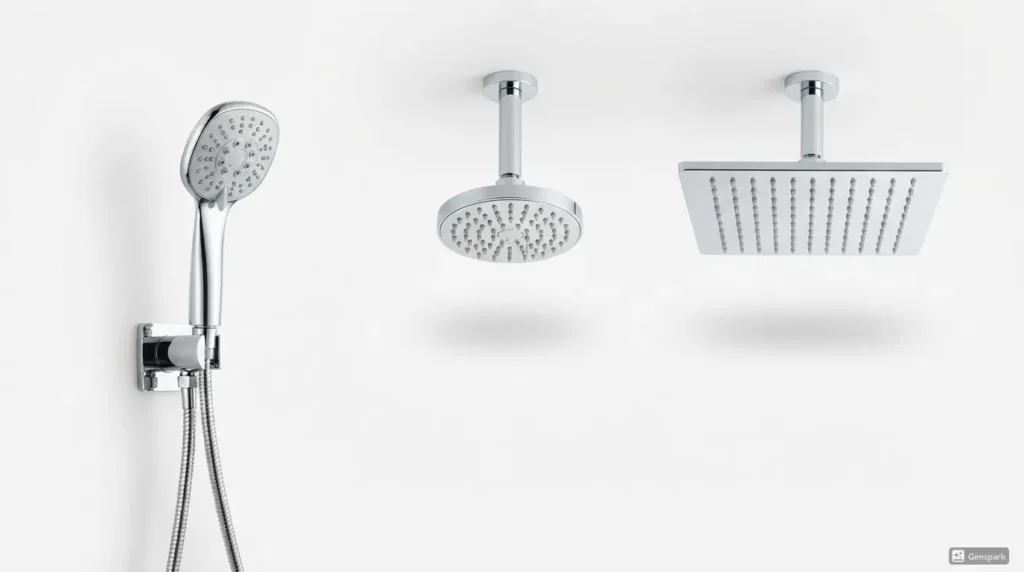
For the best shower head for high pressure, most Indian households prefer a compact hand shower or a fixed wall-mounted head with anti-clog silicone nozzles, focused spray pattern, and standard G1/2 fitting. Oversized rain shower heads look premium, but they usually need stronger inlet pressure to feel powerful. A smaller nozzle often beats a bigger showerhead when your water pressure is limited. But the right pick still depends on your water source, your existing pressure level, and your pipe’s fitting size. That’s what we’ll break down next. Which Shower Head is Best for High Pressure? For many Indian bathrooms, a compact hand shower or fixed wall shower beats a large rain shower on felt pressure. That’s because a smaller spray face pushes the same water through fewer holes. So each jet feels stronger, even at a lower flow rate. Rain and overhead shower heads spread water across a wide disc. That means they need a stronger inlet supply to feel powerful. Without a booster pump, they often feel weak or misty instead. Your setup matters too. A home with an overhead tank, a booster pump, or a direct municipal line will each behave differently with the same shower head. So always match your choice to your actual water source, not just the shower head’s looks. Shower Head Type Best For Pressure Suitability Price Range (India) Hand Shower Low to medium pressure homes High (focused spray) ₹500–₹5,000 Fixed Wall Shower Standard bathrooms High (focused spray) ₹300–₹3,000 Rain/Overhead Shower Homes with booster pumps Needs strong inlet pressure ₹600–₹5,000 (premium sets ₹20,000+) Combo Shower Homes wanting flexibility Depends on parts used Varies by parts used What Actually Makes a Shower Head Feel High-Pressure? Most people confuse pressure with flow rate. But they’re not the same thing. Pressure is the force with which the water is being pushed through the pipe. It is measured in bar or psi ( pounds per square inch ), or sometimes kPa ( kilopascals ). Flow rate is how much water comes out. It’s measured in LPM (liters per minute). A shower head can have low flow but still feel strong, because pressure and flow do two different jobs. In India, plumbing references under IS 17429 Part 1:2020 commonly cite around 70 kPa (0.7 bar) as the minimum dynamic pressure recommended at a shower outlet, with 50 kPa (0.5 bar) used as a benchmark in simplified-system contexts. So if your line runs below these levels, even a good will feel weak. Nozzle count changes the feel too. Picture two heads with the same 9.5 LPM flow: one has 8 holes, the other has 64. The 8-hole head pushes water out faster per hole, so it hits harder, even though total flow is identical. Marketing labels don’t guarantee any of this. So check the actual LPM rating and nozzle count instead of trusting the box. Best Shower Head Types for Indian Bathrooms Not every shower head suits every home. So here’s how the main types stack up for typical Indian water setups. 1. Hand Shower: This is the best choice for homes with medium and inconsistent pressure. You can hold it close to your body, which increases the force you feel. This is why many people look for the best hand shower for high pressure when their building’s supply is inconsistent. 2. Fixed Wall Shower Head: This is a very simple wall-mounted shower head and is often a favorite with buyers in India. It gives a stronger, more focused spray than a wide rain head. So it’s a safe pick for basic bathrooms without a booster pump. 3. Rain Shower Head: A rain shower head only makes sense if your pressure is already strong. Otherwise, it turns into a rain shower for low-pressure disappointment — soft, misty, and slow. Check your pump setup first. 4. Combo Shower: A combo shower gives you both options in one fitting. So you get flexibility without picking just one style. Matching Your Indian Setup How to Choose the Right High-Pressure Shower Head Picking the right shower head takes more than checking the price tag. Here’s what to look at, step by step. Check Your Water Source First Check the Operating Pressure Don’t buy on looks alone. Manufacturers publish pressure specs, usually in bar or psi, right on the product page. So always check the listed spec before you add it to your cart. Check Fitting Size Most Indian shower heads use a standard G1/2 (1/2-inch) connection, though this isn’t universal across every brand or import. So always confirm the thread size on the listing against your existing fitting before you buy. Features That Matter More Than Marketing Claims Material and Warranty Why Your Shower Still Feels Weak After Changing the Head You installed a new shower head, but the water still trickles out. That usually means the real problem sits somewhere else in the pipe. A shower head is just one piece of the puzzle. The plumbing behind the wall matters just as much. Final Thoughts Picking which shower head is best for high pressure comes down to your home, not the fanciest option on the shelf. A big rain head or a small hand shower can both disappoint if they don’t match your water source. So before you buy, check your tank height, pump setup, and fitting size first. Ready to choose? Check out Begin Faucets’ shower head collection to find the right fit for your bathroom. Frequently Asked Questions Does a Shower Head Really Increase Water Pressure? A showerhead can’t create pressure that isn’t already in your pipes. It only changes how that existing pressure feels by concentrating water through smaller nozzles. Is a Rain Shower Head Good for Low Water Pressure? Not usually, unless you have a booster pump. The wide spray face spreads water thin, so weak supply lines often turn it into a soft drizzle. Which is Better for High Pressure: Hand Shower or Overhead Shower? A hand shower usually wins for most homes. You can hold it
Shower Head vs Shower Arm: Key Differences & Buying Guide
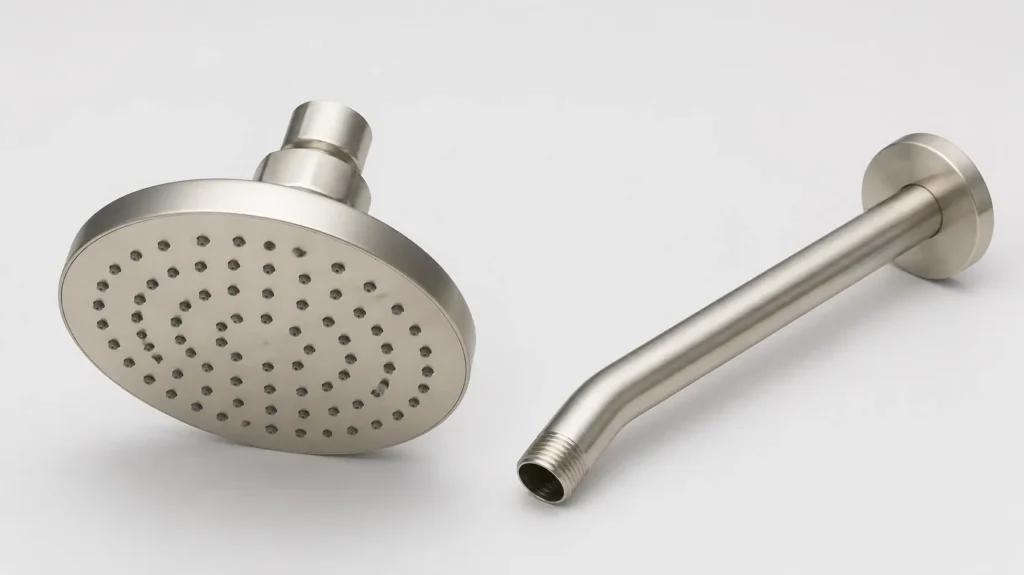
A new shower arrives, but it won’t fit the old wall fitting, and the return shipping ends up costing more than the part itself. This is one of the most common problems during bathroom renovations across Indian homes. The buyer picked a good product, but not the right part. The confusion usually comes down to one thing: people think the shower head and the pipe behind it are the same item. They are not, and mixing them up creates real problems. Get this wrong, and you’ll deal with poor water flow, mismatched threads, or a fitting that looks out of place. This guide covers the shower head vs shower arm difference. You’ll also learn how the two parts connect, when each one needs replacing, and what to check before you buy for your bathroom. Shower Head vs Shower Arm: Key Differences The shower head is the component that sprays water onto your body. The shower arm is the pipe that connects to the wall outlet and supports the shower head. One creates the spray. The other places it at the right height and angle. Feature Shower Head Shower Arm Purpose Sprays and distributes water Connects and positions the shower head Position Attached at the end of the arm Fixed to the wall outlet Water Delivery Controls spray pattern and pressure Carries water from pipe to shower head Installation Point Screws onto the shower arm Screws into the wall’s shower outlet Visible Appearance Main focal point in the bathroom Often overlooked, but affects overall look Standard Sizing (India) Varies by spray face size and thread fit Typically 6 to 15 inches long Replacement Frequency Every 3-5 years, depending on use Every 8-10 years, unless damaged Average Price (India) ₹300 – ₹5,000+ (varies by type) ₹150 – ₹1,500 (varies by material) Maintenance Needs regular cleaning for clogged nozzles Needs occasional checks for leaks or corrosion Compatibility Must match arm’s thread size Must match wall outlet’s BSP thread standard Thread Size Usually ½” BSP Female Usually ½” BSP Male Note: Prices, lifespans, and sizing figures above are general estimates based on typical market ranges — they vary by brand, city, material, and usage. Check current listings and manufacturer specs before you decide on a model. How the Shower Head and Shower Arm Work Together The water takes a simple path to reach you. Here’s the route it follows from the wall to your skin: Both parts need to work together for a good shower. A loose joint, wrong angle, or blocked arm can ruin the entire flow. Even a top-quality shower head performs poorly if the arm behind it is damaged or misaligned. Water flow through the pipe is only half the story. The other half comes down to pressure and spray performance. When Should You Replace the Shower Head, the Shower Arm, or Both? Not every shower problem means replacing the whole unit. Sometimes it’s just one part that’s fine and one that needs fixing. Replace Only the Shower Head Replace Only the Shower Arm Replace Both Shower Head and Shower Arm Knowing which part is failing saves money and avoids unnecessary work. A quick check before buying tells you exactly what to replace. Choosing the Right Shower Head and Shower Arm for Indian Bathrooms Getting this choice right isn’t just about picking a nice design. Your water pressure, water quality, and bathroom layout all decide what will actually work in your home. Water Pressure Most Indian homes run on overhead tanks. That gravity-fed setup typically delivers somewhere in the range of 0.5 to 1 bar of pressure, sometimes less, depending on tank height and pipe layout. In apartments, shared plumbing lines make this worse during morning and evening rush hours. A basic shower head handles this fine. Rainfall panels are trickier, since they generally need closer to 1 to 1.5 bar to spray evenly across the wider surface. Before buying one, find out what pressure your building actually delivers — a plumber or your building’s maintenance team can usually confirm this. Hard Water If your tap water leaves white marks on tiles, you already know about hard water. Those minerals collect inside pipes and shower nozzles over months, slowly choking the flow. Silicone nozzles handle this better than plastic or metal ones, mainly because the scale doesn’t bond to the surface as easily — you can usually just rub it off. The arm matters here too, so corrosion-resistant metal is worth the extra cost in mineral-heavy areas. Plumbing Compatibility Indian bathroom outlets are mostly built around ½-inch BSP (British Standard Pipe) threads, which is the common plumbing standard used across the country. That said, not every brand sticks to this, particularly some imported ones. Before you place an order, check the thread size listed by the manufacturer against what’s already fitted on your wall. Bathroom Size Small bathrooms feel cramped with a long arm sticking out. Go shorter and keep the fitting close to the wall. If you have more space to work with, a longer arm gives the shower head room to sit higher, which suits rainfall designs. A quick measurement of your shower area saves a return shipment later. Material Steel lasts long and shrugs off rust, but you’ll pay more for it. Brass feels solid and holds up well too, though it’s heavy and needs the occasional polish to keep its shine. Plastic fittings are the cheapest option and easy to install, but heat and constant water exposure wear them down faster than metal. Finish Chrome is still what most people buy, and it goes with almost anything. Matte black and brushed nickel have picked up demand lately for a slightly different look. Whatever you pick, try to match it with your taps and other fittings already in the bathroom. Common Installation Mistakes That Reduce Shower Performance A shower fitting can look perfect and still perform badly. Most of the time, the problem traces back to how it was installed, not the product itself. Most of these
How to Add a Hand Held Shower Head in 7 Easy Steps

A basic shower gets the job done, but a handheld shower head makes it so much better. A handheld shower head is a flexible, hose-connected shower head you can hold and move freely. And homeowners love to add one for simple reasons: The best part? You don’t need a plumber. Most people finish this upgrade in under an hour. In this blog, you will learn exactly how to add a hand held shower head in 7 easy steps. We cover every tool, every part, and every move from start to finish. Tools and Materials Required Collect these items before you begin; having everything on hand saves time and prevents trips to the hardware store in the middle of the job. Check Your Existing Shower System Before you begin, check out your current shower to avoid any surprises when you’re working. 1. Most home showers use a ½-inch NPT (National Pipe Thread) connection. This is the standard screw fitting on your shower arm — the pipe sticking out of your wall. Nearly all handheld shower kits fit this size. 2. Your current fixed shower head simply screws off by hand or with a wrench. No special tools needed. 3. But some setups need a diverter valve, a little switch that directs water between two shower heads. You may need one if you want to keep your old shower head running alongside the new handheld unit. More on that in a later step. 4. Most standard bathrooms need zero extra parts beyond the kit itself. So, check your setup first and shop with confidence. How to Install a Hand Held Shower Head in 7 Easy Steps Difficulty Level Time Required Easy 20–60 minutes Step 1: Remove the Old Shower Head Wrap a soft cloth around the base of your old shower head. This stops the wrench from leaving marks on the metal. Grip the cloth-covered base with your adjustable wrench and turn it counterclockwise. Once it starts to move, spin it off the rest of the way with your hand. Caution: Forcing a stuck shower head too fast can bend the shower arm inside the wall. Work slowly and let the wrench do the job. Step 2: Clean Off the Old Tape and Inspect the Threads Use your fingernail or a dry rag to peel off every bit of old plumber’s tape from the shower arm. Old tape leaves behind a gummy layer that stops new tape from sealing well. After clearing it off, hold the arm near a light source and look at the threads carefully. Smooth, clean threads mean you are ready for the next step. Pro Tip: Run your fingertip along the threads after wiping them down. Anything that feels rough, raised, or uneven needs a closer look before you go further. Step 3: Apply New Plumber’s Tape On The Threads Get the first edge of the plumber’s tape really tight against the bottom of the shower arm threads. Wind the tape around the threads moving in a clockwise direction. Go around two to three full times, keeping the tape pulled tight the whole way. Press the torn end flat against the threads with your thumb so nothing hangs loose. Caution: Wrapping the tape in the wrong direction, counterclockwise, makes it unravel the second you screw anything onto it. Always go clockwise. Step 4: Screw On the Mounting Bracket Pull the mounting bracket out of your handheld shower head kit. Line it up with the shower arm and begin threading it on by hand. Turn it clockwise and keep going until your hand cannot move it any further. Wrap your cloth around the bracket and tighten it one quarter turn more with the wrench. Pro Tip: The bracket should face straight out from the wall once tightened. The hose and shower head will hang all weird if it is at an odd angle. Step 5: Connect the Shower Hose to the Bracket Take the shower hose from your kit and find the end that fits into the opening of the bracket. Thread the end onto the bottom of the bracket by hand first. Once hand-tight, hold the bracket steady with one hand and give the hose fitting a short quarter turn with the wrench. Let the hose fall naturally and make sure no section of it is twisted or kinked. Pro Tip: A twisted hose puts stress on both connection points and shortens the life of the hose significantly. Step 6: Connect the Hand Held Showerhead to the Hose. Hold the open end of the shower hose with one hand to keep it steady. Take the handheld shower head and thread it onto the hose end clockwise. Hand-tighten it until you feel firm resistance. Then use the wrench with the cloth to snug it up one final quarter turn, nothing more. Pro Tip: Most leaks in a handheld shower head installation happen at this joint. Take your time here and make sure the connection feels solid before testing. Step 7: Turn the Water On and Look for Leaks Reach into the shower and turn the water on to full flow. Stand back and watch every connection point for a full minute — the shower arm, the bracket base, and both ends of the hose. Press a dry fingertip against each joint and check for any moisture at all. Then switch between every spray setting on the handheld shower head to make sure water pressure stays strong and consistent. Caution: A small drip caught now takes seconds to fix. Left alone, that same drip can damage your wall for weeks and months. How to Keep Your Existing Shower Head and Add a Handheld One Difficulty Level Time Required Moderate 30–90 minutes The good news is you do not have to choose between your old shower head and a new handheld one. A simple extra part lets you run both. Using a Diverter Valve A diverter valve is a small fitting that splits incoming water between two separate outlets —
How to Clean a Moen Shower Head: Step-by-Step Guide
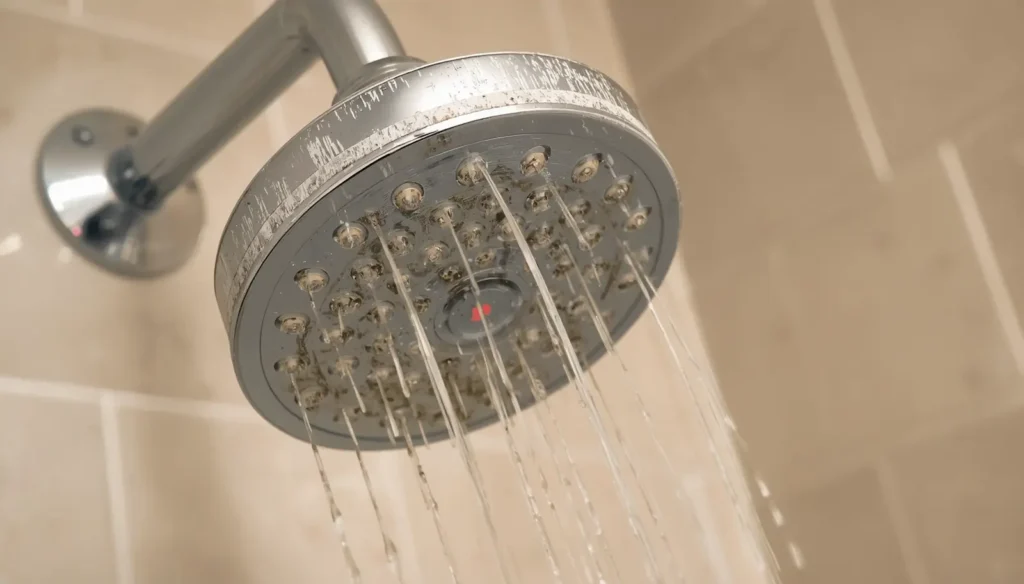
Learning how to clean a Moen shower head can save you a lot of frustration. Moen is an American brand with a strong reputation. More Indian homes are now choosing it for its build quality and modern look. But here is the problem: Indian water is tough on shower heads. Cities like Delhi, Jaipur, and Nagpur have very high TDS levels of water. This means the water is rich with minerals like calcium and magnesium. Over time, these minerals build up inside your shower head. You start getting a weak, uneven spray. White crusty patches show up around the nozzles, too. Many people think the shower head is broken. It is not. It just needs a clean. This guide shows you exactly how to fix it in under 60 minutes. Quick Answer: Pour one to two cups of white vinegar into a plastic bag. Hang the bag over your Moen shower head so all the nozzles sit inside the vinegar. Hold the bag in place with a rubber band. Leave it for one to two hours. Then pull the bag off and turn on the shower. Run hot water for 30 seconds to flush everything out. What You’ll Need to Clean a Moen Shower Head Basic Supplies (No Removal Method): Use these items for the simple bag method. You likely have most of them at home already. For Deep Clean (Removal Method): Use these extra items when the shower head needs to come off for a thorough clean. Which Cleaner is Safe for Your Moen Shower Head? Not every cleaner works on every finish. Using the wrong one can damage the coating. Check this table before you start. Cleaner Safe for Moen Best For Avoid On White Vinegar Yes Chrome, Nickel Matte Black, Gold CLR Cleaner Caution Severe buildup only All delicate finishes Baking Soda Paste Yes Surface scrubbing Inside cartridge Bleach No Never use on Moen All finishes Mild Dish Soap Yes Matte Black, Gold N/A Will Vinegar Damage Your Moen Shower Head Finish? Every Moen finish behaves differently when it meets vinegar. Using the wrong cleaner is the top reason finishes get permanently damaged, and it can void your Moen warranty, too. Check your finish below before you pick up that bottle. Moen Finish Vinegar Safe Soak Time Limit Best Cleaning Method Chrome Yes Up to 2 hours Undiluted white vinegar Brushed Nickel Caution 30 minutes max Diluted vinegar (1:1 water) Matte Black No Never soak Mild soap + warm water Spot Resist Brushed Gold No Never soak Damp microfibre only Brushed Stainless Caution 30 minutes max Diluted vinegar Oil Rubbed Bronze No Never soak Mild soap + warm water Tip: When in doubt, mild dish soap and warm water work safely on every Moen finish. How to Clean a Moen Shower Head Step By Step Method 1: Cleaning the shower without removing the shower head Best For: Light to Medium Buildup | Chrome and Nickel Finishes 1. Take a plastic ziplock bag and add 1-2 cups of the white vinegar. 2. Slide the shower head into the bag so every single nozzle touches the vinegar. 3. Hold the bag firmly against the neck and lock it in place with a rubber band. 4. Walk away and let it sit for 1 to 2 hours. 5. Thirty minutes in, take an old toothbrush, dip it in the vinegar and work it across the faceplate. 6. When the time is up, carefully pull the bag down and off. 7. Turn the shower on full and run hot water for 60 seconds to wash the mineral bits away. 8. Take a microfibre cloth and dry the shower head face completely. Hard Water Tip: If your city TDS is above 500 ppm, soak the shower head overnight with undiluted vinegar for best results. Method 2: Deep Clean by Removing the Shower Head Best For: Severe Buildup | Blocked Nozzles | Annual Maintenance 1. Fold a thick cloth around the shower head collar before touching anything else. 2. Set the adjustable wrench on top of the cloth — bare metal against the finish will scratch it badly. 3. Rotate anti-clockwise until the shower head comes free from the pipe. 4. Drop it straight into a bowl of undiluted white vinegar. 5. Two hours work for normal buildup. For anything heavier, leave it overnight. 6. Pick up a toothbrush and scrub every nozzle one by one, then hold it under running water to rinse. 7. Before putting it back, wind fresh plumber’s tape clockwise around the pipe threads. 8. Screw it on by hand first, then use the wrench for just a quarter turn, stop right there. How to Clean the Moen Filter Screen Inside every Moen shower head sits a small mesh filter screen. In hard water areas, this screen clogs faster than the nozzles, and most people never clean it. 1. Remove the shower head using the steps above.2. Look inside the inlet connection; the filter screen sits right there.3. Use needle-nose pliers to pull it out gently.4. Rinse it under water and scrub softly with a toothbrush dipped in vinegar. 5. Let it air dry fully before putting it back. 6. Look closely at the screen; if it looks torn or corroded, then replace it. New filter screens are very cheap and can be bought on Amazon India or from any hardware shop. Cleaning Guide for Specific Moen Shower Head Types Fixed Wall-Mount Shower Heads Use the bag method every time. Handheld Shower Heads Always detach from the hose before soaking. Rain Shower Heads These have large faceplates, so they need more time. Moen Magnetix Shower Heads Remove the magnetic dock before you start cleaning. Moen Dual Shower Systems Clean both heads on the same day for even results. 5 Mistakes That Damage Your Moen Shower Head While Cleaning 1. Bleach or Harsh Acids: Your finish will peel off, and Moen will not honour the warranty after that. 2. Vinegar Soaks on Matte Black or Gold: These finishes are
How to Clean Limescale From a Shower Head (India Guide)
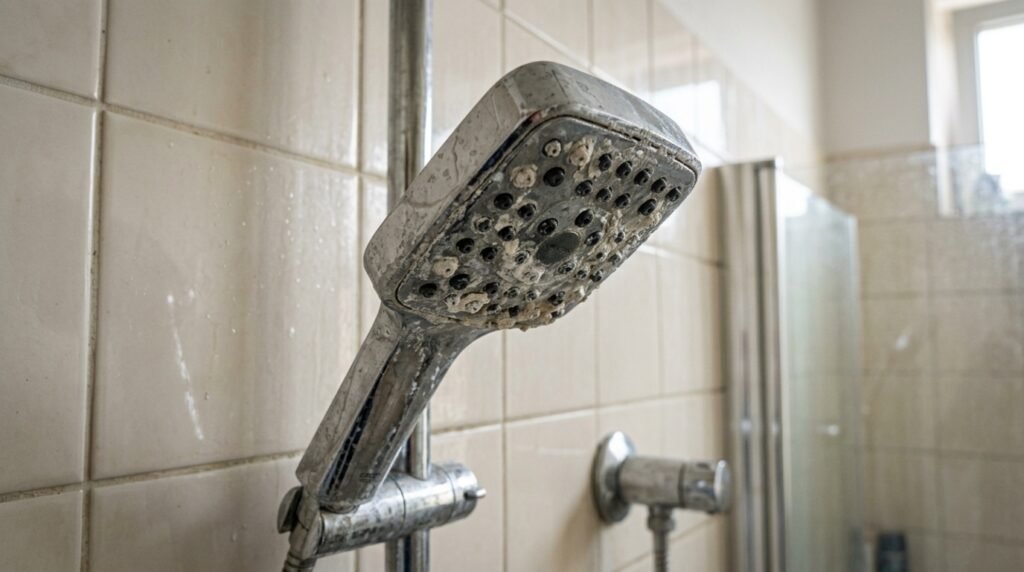
That white, crusty layer on your shower head is limescale. It forms when hard water (water with a lot of dissolved calcium and magnesium) dries on the metal. Every shower leaves a tiny bit behind. Over weeks and months, it builds up and blocks the spray holes. Quick Answer: Remove the shower head if you can, and soak it in white vinegar or citric acid for 30 to 90 minutes. Scrub the nozzles with a soft toothbrush, clear any blocked holes with a pin, then rinse well. If the shower head is fixed, tie a vinegar-filled plastic bag around it instead. Chrome and many plastic shower heads are generally fine with a mild vinegar soak, while brass, gold, matte black, and coated finishes need extra care. What Causes Limescale on a Shower Head? Hard water is common across large parts of India, especially in homes that rely on borewell or groundwater, or that store water in overhead tanks before it reaches the shower. As water dries on the nozzle plate, the calcium and magnesium stay behind as a solid, chalky layer. Your exact water hardness depends on your locality and water source, so it’s worth getting your water tested rather than assuming a fixed number for your city. As a general reference point, IS 10500:2012, the Bureau of Indian Standards specification for drinking water, sets the acceptable limit for total hardness at 200 mg/l, with a permissible limit of 600 mg/l where no better source is available. Water at or above these levels tends to leave visible deposits on taps, shower heads, and glass more quickly. Signs Your Shower Head Needs Cleaning You don’t need to inspect it closely to know something is wrong. Watch for: If you notice two or more of these, it’s time to clean. What Tools and Materials You’ll Need to Clean a Shower Head Keep this simple. Most of it is already in your kitchen. How to Clean a Removable Shower Head Taking the shower head off gives you the deepest clean. Here’s how to do it properly. Step 1: Unscrew the shower head. Twist it counter-clockwise by hand. If it won’t budge, wrap a cloth around it and use a wrench so you don’t scratch the metal. Step 2: Rinse off loose dirt under running water before soaking. Step 3: Soak it in vinegar or citric acid. Cover the whole spray plate. Check your finish first (see the next section) before choosing full-strength or diluted vinegar. Step 4: Scrub the nozzles with the toothbrush in small circles, focusing on the edges of each hole. Step 5: Clear blocked holes gently with a toothpick or pin. If your shower head has rubber nozzles, squeeze each one with your fingers first. This alone loosens a lot of surface buildup before you reach for the toothbrush. Can You Use Vinegar on Every Finish? Not always, and this trips up a lot of people. Check your finish before you soak anything. When in doubt, a mild descaling product made for your specific finish is safer than guessing with vinegar. Cleaning a Fixed Shower Head Without Removing It Many wall-mounted, ceiling-mounted, and rain shower heads in Indian bathrooms don’t come off easily. This method works around that. 1: Fill a sturdy zip-lock bag with white vinegar. 2: Slide it over the shower head so the nozzle plate sits fully inside the liquid. 3: Tie it in place with a rubber band or string around the shower arm. 4: Soak for about an hour for light buildup, or three to four hours for heavy buildup. 5: Remove the bag, scrub the plate with a soft brush, and rinse well. 6: Run the shower at full pressure for half a minute to flush out loosened deposits. For brushed brass or matte black fixed heads, including many wide rain shower plates, dilute the vinegar with equal parts water — full-strength vinegar left too long can dull these finishes. How Long Should You Soak a Shower Head Soak time depends more on how much buildup there is than on the exact minute count. Use this as a general starting point, and always follow your manufacturer’s instructions where available: Buildup level General starting point Light (thin white film) 20–30 minutes Moderate (visible crust) 45–60 minutes Heavy (thick, uneven spray) 60–90 minutes, or repeat once Don’t leave delicate or coated finishes soaking “just to be safe.” Longer isn’t always better, and it can damage the surface. Other Ways to Remove Stubborn Limescale If vinegar alone isn’t cutting through heavy deposits, try one of these. Method Best for Note Citric acid solution Heavy mineral deposits Dissolve 1–2 tbsp in 500ml warm water; check compatibility with brass, gold, and coated finishes before use Baking soda paste Surface grime and gentle scrubbing Mix with water into a paste; mildly abrasive, so scrub lightly Manufacturer-approved descaler Heavy buildup Always follow the label’s contact time General bathroom cleaner Everyday grime, not limescale Not made for shower head finishes — don’t rely on it for descaling A quick tip: don’t mix baking soda into your vinegar soak. Vinegar is acidic and baking soda is alkaline, so combining them cancels out the very acidity that dissolves limescale. Use them separately, not together. What Not to Use on a Shower Head A few habits do more harm than good: Shower Head Problems and Quick Fixes Problem Likely cause What to do Uneven spray Partly blocked nozzles Soak and scrub, flex rubber nozzles Weak water flow Mineral buildup inside Descale, then flush thoroughly Water sprays sideways A few blocked holes Clear individual holes with a pin Still weak after cleaning Inlet filter or supply issue Check the mesh filter at the connection point Buildup returns fast Hard water at the source Clean more often, or look at water treatment How Often Should You Clean a Shower Head in India? This depends on your water source more than your city. Borewell water and some groundwater tend to carry more minerals than treated municipal supply,
How to Clean a Rainfall Shower Head With Vinegar & TDS Tip
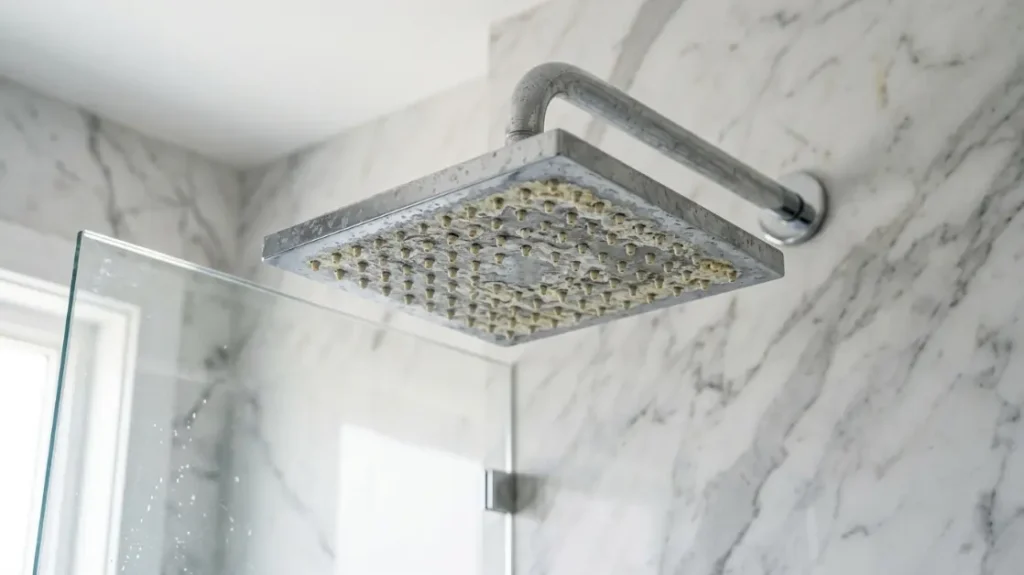
The easiest way to clean a rainfall shower head is to soak the nozzles in a mild vinegar solution, scrub away the loosened deposits with a soft brush, and rinse well with warm water. If your shower head has a matte black, gold, rose gold, or brass finish, skip the vinegar and check the manufacturer’s care instructions first, since acidic cleaners can damage these coatings. Below you’ll find the full steps, a finish-safety guide, and a cleaning schedule based on how hard your water is — something that matters more in India than most guides mention. Why Rainfall Shower Heads Get Clogged Tap water carries dissolved minerals like calcium and magnesium. When water dries on the shower head, these minerals stay behind as a hard, white crust. Over weeks, this crust blocks the small spray holes and slows the water down. This happens faster in homes with hard water, common across large parts of India, especially where water comes from borewells or older municipal pipelines. White spots on your taps, glass shower panel, or bathroom tiles are usually a sign of this. A TDS (Total Dissolved Solids) meter, the same kind used to test RO water, can confirm it. The Bureau of Indian Standards sets the acceptable TDS limit for drinking water at 500 mg/L under IS 10500:2012. Water above that counts as hard, and it leaves scale behind faster. Cleaning Frequency Based on Your Water’s TDS Level: TDS Level (mg/L) Water Hardness How Often to Clean Below 150 Soft water Once a month 150–300 Moderately hard Every 3 weeks 300–500 Hard (at BIS limit) Every 2 weeks Above 500 Very hard Once a week If you don’t own a TDS meter, a rough sign works too: the more scale you see building up on your taps and shower glass, the more often your shower head needs cleaning. Check the Finish Before You Clean Rainfall Shower Head Not every rainfall shower head can handle vinegar. Manufacturers coat different finishes with different materials, and acid can wear some of them down over time. Always check this before you start. Finish Safe to Clean With Avoid Chrome Diluted white vinegar (1:1 with water) Steel wool, bleach Matte black Mild soap and warm water Vinegar, abrasive pads Gold or rose gold pH-neutral cleaner, soft cloth Acidic cleaners, long soaks Brushed nickel Diluted vinegar, used briefly Undiluted acid, hard scrubbing Brushed brass Manufacturer-approved cleaner only Vinegar unless the brand confirms it’s safe When in doubt, check the warranty card or the brand’s website. Jaquar, Kohler, Begin Faucets, and Hindware all list finish-specific care instructions, and using the wrong cleaner can void your warranty. Method 1: Cleaning Rainfall Shower Without Removing the Shower Head This works well for fixed, ceiling-mounted rainfall shower heads and for light to moderate buildup. Method 2: Cleaning Rainfall Shower by Removing the Shower Head Choose this method for heavy blockages, uneven spray patterns, or when Method 1 hasn’t fully restored the flow. What You Can Safely Use to Clean Rainfall Shower Head Cleaner Good for Routine Cleaning? Note White vinegar (diluted) Yes, for hard finishes like chrome Skip on delicate coatings Baking soda paste Yes Gentle, good for wiping the surface Mild dish soap Yes Safe for almost all finishes Bleach No Can strip colour coatings Steel wool or scouring pads No Scratches every finish type Strong chemical descaler Use with care Check compatibility with your material first Common Mistakes That Damage Shower Heads Still Have Low Water Pressure After Cleaning? If the shower head is clean but the flow is still weak, work through these in order before assuming the fixture is broken: Keeping It Clean for Longer When to Replace Rainfall Shower Head, Not Clean Sometimes cleaning isn’t enough. Look for: If you see any of these, a new shower head will serve you better than another round of soaking. Final Thoughts A clean rainfall shower head comes down to two things: knowing your finish, and knowing your water. Vinegar handles most jobs, a gentle soap works for delicate coatings, and a quick monthly check keeps scale from building up in the first place. If your water tests above 300 mg/L TDS, clean every two weeks rather than waiting for the pressure to drop. Do that, and your shower head will keep working the way it did on day one. And if your current shower head is past saving, or you’re setting up a new bathroom altogether, it helps to start with a fixture built for Indian water conditions. Check out Begin Faucet’s collection of rain showers, overhead showers, and handheld showers to find one that suits your bathroom and holds up well against hard water. Frequently Asked Questions Can I Use Lemon Juice Instead of Vinegar? Yes. Lemon juice has citric acid and dissolves mineral scale in a similar way. It’s a common substitute in Indian kitchens and works fine on chrome and stainless steel, but skip it on matte black and gold coatings. Does Hard Water Damage a Rainfall Shower Head Over Time? Yes, if left uncleaned. Buildup can corrode metal parts under the plating and wear down silicone nozzles, shortening the fixture’s life even if the outside still looks fine. Will a Shower Filter Remove Hardness From My Water? Not fully. Most shower filters reduce chlorine and improve water feel, not calcium and magnesium. For real hardness problems, a proper water softener works better. Is a Chemical Bathroom Descaler Safe for a Rainfall Shower Head? Only if the label confirms it suits your finish. Descalers work faster than vinegar but can be harsh on brass, gold, and matte coatings. Does a Clogged Shower Head Increase the Water Bill? It can. A partly blocked head takes longer to deliver full pressure and warmth, so the shower runs longer and uses more water and heating. How Do I Know If My Shower Head Has a Flow Restrictor? Most rainfall shower heads have one, a small disc inside the inlet, visible once you unscrew the head from