

Toilet Cistern Types, Price & Buying Guide for Indian Homes
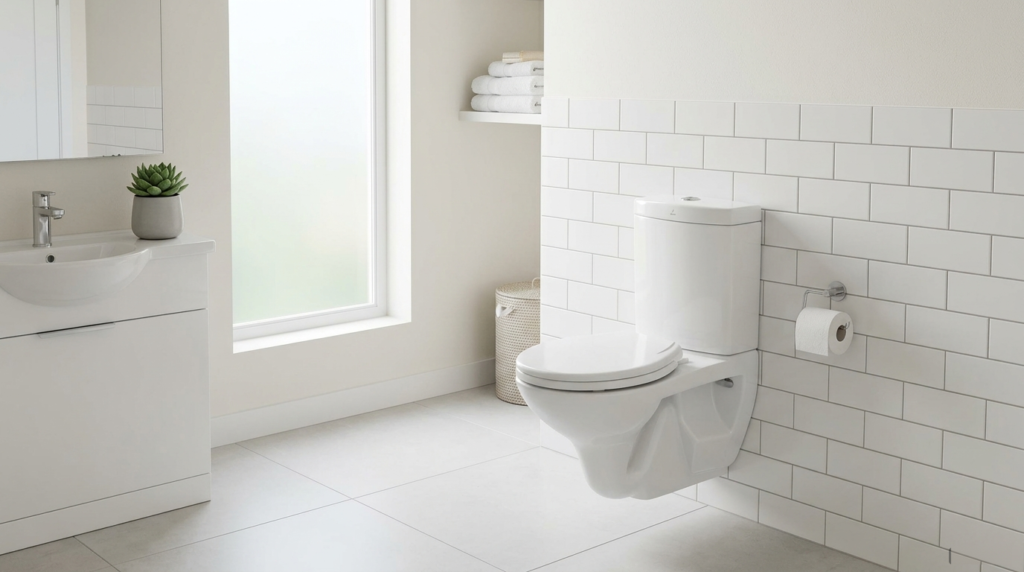
A toilet cistern, also called a flush tank, is the water tank that sends water into the toilet bowl when you flush. In India, you can buy them as exposed tanks or concealed ones hidden inside the wall, with a single flush or a dual flush option. Prices depend on the type, size, material, and brand you pick. This guide covers how a cistern works, the real types available in India, current price ranges, how to choose one, and how to fix common problems. Is a Cistern the Same as a Flush Tank? Yes. In India, people use “cistern,” “flush tank,” and “flush cistern” for the same part. The word changes by region and by brand, but the job stays the same: store water, then release it to clean the bowl. How a Toilet Cistern Works Water enters your home through the main supply line. It travels through the fill valve into the cistern. A float sits on top of the water. As the tank fills, the float rises. Once it reaches a set height, it shuts the fill valve off. When you press the button or pull the handle, the flush valve opens at the bottom of the tank. Water rushes down through the flush pipe and into the bowl. This clears out waste and pushes it into the drain pipe. A few small parts make this whole system work: When even one of these parts wears out, you get a weak flush, a running cistern, or a leak. Different Types of Toilet Cistern in India Older guides often list “wall-hung,” “close-coupled,” and “concealed” as if they are five separate types sitting in one row. They aren’t. These words actually describe three different things: where the cistern sits, how it connects to the bowl, and how the toilet pan is mounted. Here’s the clearer way to look at it. Cistern Position: Toilet Pan Mounting Style: By How the Toilet Pan is Mounted: So a wall-hung toilet almost always uses a concealed cistern too. These aren’t rival types. They are different layers of the same design choice. Toilet Cistern Price in India Prices change based on material, brand, and flush type. Here is a realistic price range based on current Indian market listings: Type Approx. Price Range Basic plastic exposed cistern ₹330 – ₹1,500 Branded exposed cistern (Hindware, Parryware, CERA) ₹900 – ₹3,000 Close-coupled cistern (tank + bowl combo parts) ₹2,000 – ₹8,000 Concealed cistern only (tank unit) ₹3,000 – ₹8,000 Concealed cistern with steel frame, for wall-hung WC ₹10,000 – ₹30,000+ Installation, the flush plate, and the WC pan usually cost extra. A plumber’s labour charge for fitting a cistern is separate from the product price. Which Toilet Cistern Should You Buy? Your Situation Best Choice Tight budget Basic exposed plastic cistern Want easy repairs Exposed cistern Renting your home Exposed cistern (easy to replace, no wall work) Small bathroom Concealed or back-to-wall setup Modern bathroom design Concealed cistern Want to save water Dual-flush cistern (6/3 litre or 4/2 litre) Full renovation, higher budget Concealed cistern with wall-hung WC How to Choose the Right Cistern Flush Capacity Under the Indian Standard IS 774, most modern cisterns use a dual-flush design of 6 litres for solid waste and 3 litres for liquid waste. Older single-flush tanks often hold 10 litres. A dual-flush model uses far less water over a year. Water pressure This part often gets skipped, but it matters. Water pressure is measured in bar. Most fill valves are built to work between about 0.2 bar and 5 bar, though this varies by brand, so always check the box. If your home uses an overhead tank, height creates the pressure — every 1 metre of height above the cistern adds roughly 0.1 bar. A tank that sits too low may not give your fill valve enough pressure, causing slow refills. In that case, ask for a low-pressure fill valve designed for low-flow homes. Wall Type for Concealed Cisterns You don’t need a solid brick wall for every concealed system. Most concealed cisterns come with their own steel support frame, which can be fitted against a masonry wall or built into a stud partition wall. What matters most is following the frame manufacturer’s fitting instructions, not the wall alone. Spare Parts Before buying a concealed system, check that flush plates, inlet valves, and flush mechanisms are easy to find for that brand near you. Exposed cisterns are usually easier here, since most plumbers already carry common spare parts for them. Hard Water If you live in an area with hard water, such as parts of Delhi, Chennai, or Rajasthan, check the fill valve and flush mechanism often. Mineral buildup collects there first. Common Cistern Problems and Fixes Loud Hissing While Refilling: Usually a worn fill valve or pressure that’s too high for the valve. A new fill valve solves this in most cases. Cistern Won’t Fill or Fills Slowly: Usually a blocked or worn fill valve, or low water pressure. Clean or swap the fill valve. If pressure is the real issue, call a plumber to check a low-pressure valve. Water Keeps Running: A worn rubber seal or a float set too high stops the flush valve from closing fully. Replace the seal first. Adjust the float if that doesn’t fix it. Weak Flush: Often caused by a low water level in the tank or a partly blocked flush valve. Raise the water level slightly, or clear the valve of any buildup. Cistern Leaking at the Base: A cracked tank body or a worn seal where the tank meets the bowl. Replace the seal. If the tank itself is cracked, it needs full replacement. Cleaning and Maintenance of Toilet Cistern Follow the cleaning instructions from your cistern’s manufacturer first. Many brands warn against strong bleach tablets placed inside the tank, since they can wear down rubber seals faster over time. For limescale buildup, clean the removable parts separately with a mild descaling solution instead of dropping chemicals straight into