A toilet cistern, also called a flush tank, is the water tank that sends water into the toilet bowl when you flush. In India, you can buy them as exposed tanks or concealed ones hidden inside the wall, with a single flush or a dual flush option. Prices depend on the type, size, material, and brand you pick.
This guide covers how a cistern works, the real types available in India, current price ranges, how to choose one, and how to fix common problems.
Is a Cistern the Same as a Flush Tank?
Yes. In India, people use “cistern,” “flush tank,” and “flush cistern” for the same part. The word changes by region and by brand, but the job stays the same: store water, then release it to clean the bowl.
How a Toilet Cistern Works
Water enters your home through the main supply line. It travels through the fill valve into the cistern. A float sits on top of the water. As the tank fills, the float rises. Once it reaches a set height, it shuts the fill valve off.
When you press the button or pull the handle, the flush valve opens at the bottom of the tank. Water rushes down through the flush pipe and into the bowl. This clears out waste and pushes it into the drain pipe.
A few small parts make this whole system work:
- Fill Valve: Lets fresh water into the tank after each flush.
- Float: Tells the fill valve when to stop.
- Flush Valve: Opens to release water into the bowl.
- Overflow Pipe: Sends extra water into the bowl if the fill valve fails to shut off.
- Rubber Seals: Stop water from leaking out around the valve.
When even one of these parts wears out, you get a weak flush, a running cistern, or a leak.
Different Types of Toilet Cistern in India
Older guides often list “wall-hung,” “close-coupled,” and “concealed” as if they are five separate types sitting in one row. They aren’t. These words actually describe three different things: where the cistern sits, how it connects to the bowl, and how the toilet pan is mounted. Here’s the clearer way to look at it.
Cistern Position:
- Exposed Cistern: Sits out in the open, on top of or behind the bowl. Easy to reach for repairs.
- Concealed Cistern: Hidden inside the wall or a cabinet. Only the flush plate shows.
Toilet Pan Mounting Style:
- Close-Coupled: The cistern sits directly on the toilet bowl as one unit. This is the most common setup in Indian homes.
- Low-Level: The tank sits just above the pan on the wall, joined by a short pipe.
- High-Level: The tank sits high on the wall. Water drops from a height, giving a stronger flush. Common in older buildings.
By How the Toilet Pan is Mounted:
- Back-to-wall WC: The bowl touches the floor, and the cistern hides in a slim wall unit behind it.
- Wall-hung WC: The bowl hangs off a steel frame with no floor contact. The cistern sits concealed inside that same frame.
So a wall-hung toilet almost always uses a concealed cistern too. These aren’t rival types. They are different layers of the same design choice.
Toilet Cistern Price in India
Prices change based on material, brand, and flush type. Here is a realistic price range based on current Indian market listings:
| Type | Approx. Price Range |
| Basic plastic exposed cistern | ₹330 – ₹1,500 |
| Branded exposed cistern (Hindware, Parryware, CERA) | ₹900 – ₹3,000 |
| Close-coupled cistern (tank + bowl combo parts) | ₹2,000 – ₹8,000 |
| Concealed cistern only (tank unit) | ₹3,000 – ₹8,000 |
| Concealed cistern with steel frame, for wall-hung WC | ₹10,000 – ₹30,000+ |
Installation, the flush plate, and the WC pan usually cost extra. A plumber’s labour charge for fitting a cistern is separate from the product price.
Which Toilet Cistern Should You Buy?
| Your Situation | Best Choice |
| Tight budget | Basic exposed plastic cistern |
| Want easy repairs | Exposed cistern |
| Renting your home | Exposed cistern (easy to replace, no wall work) |
| Small bathroom | Concealed or back-to-wall setup |
| Modern bathroom design | Concealed cistern |
| Want to save water | Dual-flush cistern (6/3 litre or 4/2 litre) |
| Full renovation, higher budget | Concealed cistern with wall-hung WC |
How to Choose the Right Cistern
Flush Capacity
Under the Indian Standard IS 774, most modern cisterns use a dual-flush design of 6 litres for solid waste and 3 litres for liquid waste. Older single-flush tanks often hold 10 litres. A dual-flush model uses far less water over a year.
Water pressure
This part often gets skipped, but it matters. Water pressure is measured in bar. Most fill valves are built to work between about 0.2 bar and 5 bar, though this varies by brand, so always check the box.
If your home uses an overhead tank, height creates the pressure — every 1 metre of height above the cistern adds roughly 0.1 bar. A tank that sits too low may not give your fill valve enough pressure, causing slow refills. In that case, ask for a low-pressure fill valve designed for low-flow homes.
Wall Type for Concealed Cisterns
You don’t need a solid brick wall for every concealed system. Most concealed cisterns come with their own steel support frame, which can be fitted against a masonry wall or built into a stud partition wall. What matters most is following the frame manufacturer’s fitting instructions, not the wall alone.
Spare Parts
Before buying a concealed system, check that flush plates, inlet valves, and flush mechanisms are easy to find for that brand near you. Exposed cisterns are usually easier here, since most plumbers already carry common spare parts for them.
Hard Water
If you live in an area with hard water, such as parts of Delhi, Chennai, or Rajasthan, check the fill valve and flush mechanism often. Mineral buildup collects there first.
Common Cistern Problems and Fixes
Loud Hissing While Refilling: Usually a worn fill valve or pressure that’s too high for the valve. A new fill valve solves this in most cases.
Cistern Won’t Fill or Fills Slowly: Usually a blocked or worn fill valve, or low water pressure. Clean or swap the fill valve. If pressure is the real issue, call a plumber to check a low-pressure valve.
Water Keeps Running: A worn rubber seal or a float set too high stops the flush valve from closing fully. Replace the seal first. Adjust the float if that doesn’t fix it.
Weak Flush: Often caused by a low water level in the tank or a partly blocked flush valve. Raise the water level slightly, or clear the valve of any buildup.
Cistern Leaking at the Base: A cracked tank body or a worn seal where the tank meets the bowl. Replace the seal. If the tank itself is cracked, it needs full replacement.
Cleaning and Maintenance of Toilet Cistern
Follow the cleaning instructions from your cistern’s manufacturer first. Many brands warn against strong bleach tablets placed inside the tank, since they can wear down rubber seals faster over time.
For limescale buildup, clean the removable parts separately with a mild descaling solution instead of dropping chemicals straight into the tank.
Check your fill valve and float once a year for cracks or slow drips. Seal life depends on your water quality, how often the toilet is used, and what cleaning products you use — replace seals as soon as you notice leaks or wear, rather than waiting for a fixed number of years.
Final Thoughts
A toilet cistern is a small part of your bathroom, but it affects your water bill, your daily comfort, and how often you call a plumber. Once you know the real types, current prices, and the small parts that tend to fail, picking or fixing one gets a lot easier.
If you’re unsure which setup suits your bathroom, a quick chat with a local plumber before you buy will save you money and guesswork later.
Frequently Asked Questions
Is a Concealed Cistern Better Than an Exposed One?
Concealed cisterns look cleaner and save space, but cost more and need wall access for repairs. Exposed cisterns cost less and are easier to fix. Neither is “better” for everyone — it depends on your budget and bathroom style.
Can I Replace Just the Cistern, Not the Whole Toilet?
Yes, in most cases. Just make sure the new cistern fits your existing bowl and flush pipe connection.
Can a Concealed Cistern Be Repaired Without Breaking the Wall?
Yes. Concealed cisterns are built with an access panel or flush plate that opens for repairs. You should not need to break the wall for normal fixes like a valve or seal change.
What is a Dual-Flush Cistern?
It gives you two flush options from one tank — a small flush for liquid waste and a larger one for solid waste. Common sizes are 6/3 litres or 4/2 litres, though this varies by model.
Why Does My Toilet Cistern Keep Running?
Usually a worn rubber seal or a float set too high. Both are cheap, quick fixes.
How Long Does a Toilet Cistern Last?
A well-maintained cistern can last 10 to 25 years. Small parts like the fill valve and seals wear out much sooner and need replacing on their own.
What Water Pressure Does a Cistern Need?
Most fill valves work fine between roughly 0.2 bar and 5 bar. Homes with very low pressure, often from a low-set overhead tank, may need a low-pressure fill valve fitted by a plumber.
Related Products
Explore products related to this article
-
 25%
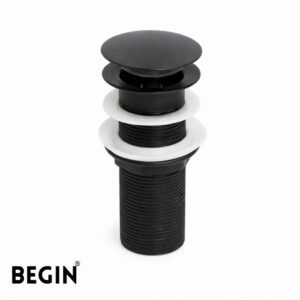
25%Pop-Up Brass Waste Coupling 5 Inch | Matte Black
Original price was: ₹950.00.₹715.00Current price is: ₹715.00. Add to cart -
25%
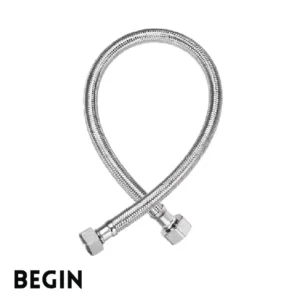
SS Connection Pipe 36 Inch | Stainless Steel | BEGIN
Original price was: ₹566.00.₹425.00Current price is: ₹425.00. Add to cart -
25%
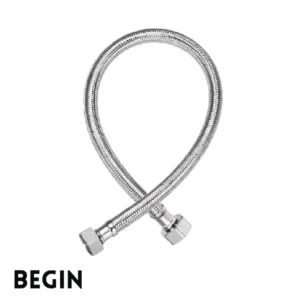
SS Connection Pipe 30 Inch | Stainless Steel
Original price was: ₹466.00.₹350.00Current price is: ₹350.00. Add to cart -
25%
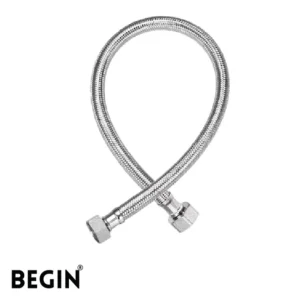
SS Connection Pipe 24 Inch | Stainless Steel
Original price was: ₹317.00.₹238.00Current price is: ₹238.00. Add to cart