A wet floor. A missed step. One fall can change how a person moves through their own home for good. For families with elderly or disabled members, that risk lives in the bathroom every single day.
A correctly installed grab rail fixes this. Fit one at 33 to 36 inches from the floor, secure it into a wall stud or a load-rated anchor, and make sure it can hold at least 100 kg — check the manufacturer’s exact rating, since many rails go higher.
This guide walks through exactly how to install one, step by step, along with placement rules, tools, and Indian pricing.
What Tools You’ll Need Before You Start
Gather everything first. A mid-installation trip to the hardware store is avoidable.
- Power drill with tile, masonry, or wood bits (match the bit to your wall type)
- Stud finder
- Pipe and wire detector — non-negotiable; always use before drilling
- Spirit level
- Wall plugs or cavity anchors rated for load-bearing use
- Measuring tape and pencil
How to Install a Grab Rail: Step-by-Step
Step 1: Assess the User’s Needs First
Don’t buy a rail and figure out placement afterward. Walk through the bathroom with the person who’ll use it and note where they struggle most — standing from the toilet, stepping over the bath edge, balancing in the shower.
This decides where every rail goes. Height, grip strength, and whether they use a walking aid all affect which rail diameter and surface texture work best.
Step 2: Mark Your Fixing Points
Hold the rail in position and mark each screw hole with a pencil. Check the position with the user standing in place before moving on — it’s easier to erase a pencil mark than fill a drilled hole.
Step 3: Scan for Pipes and Wires
Run a pipe and cable detector over every mark. This takes under a minute and prevents a burst pipe or an electric shock.
Step 4: Find a Stud, or Choose the Right Anchor
A stud finder tells you what’s behind the wall. Screwing into solid timber gives the strongest hold. If there’s no stud in range, use cavity anchors rated for load-bearing use.
Note: Standard wall plugs will not hold under real body weight.
Step 5: Match the Drill Bit to Your Wall
Tile needs a tile bit, started slowly to avoid cracking the glaze. Brick or plaster needs a masonry bit. Timber takes a standard wood bit.
Step 6: Drill the Holes
Go slow, especially on tile. Wrap tape around the bit at the correct depth so you don’t drill past what the plug needs.
Step 7: Insert wall plugs, if needed
Tap them flush with the surface. Skip this step only if you’re screwing straight into a timber stud — plugs reduce grip there instead of adding it.
Step 8: Fix the rail to the wall
Start each screw by hand, then tighten gradually, moving between screws rather than finishing one at a time. This keeps the mounting plate flat and even.
Step 9: Check the level
Rest a spirit level along the rail. Even a small tilt affects grip comfort and confidence — adjust before moving on.
Step 10: Load test it
Push down and outward on the rail with real force, the kind someone would apply mid-slip. There should be no movement, flex, or creaking. If anything feels loose, remove the rail and check the fixings again.
A single rail usually takes 30 to 45 minutes once your tools and fixings are ready. Add extra time if you need to locate studs or work around tile.
Where to Place a Grab Rail: Exact Measurements
Placement follows the movements that put a person most at risk: sitting, standing, and stepping over wet surfaces.
- Near the Toilet: Fit a side rail no more than 12 inches from the wall behind the toilet. If you’re adding a rear rail too, centre it on the toilet and extend it 12 inches on each side. Many bathrooms benefit from both.
- In the Shower: Use a vertical rail at the entry point for safe stepping in and out. Add a horizontal rail inside, at standing height, for balance while showering.
- At the Bathtub: A rail angled at 45 degrees works best here, supporting the awkward motion of lowering into and lifting out of the tub.
- Standard Height: Unless the user’s needs say otherwise, fix all rails 33 to 36 inches (840–915mm) from the floor — this range aligns with commonly used accessibility guidelines for grab bars. Always test the height with the actual user standing in place before you drill.
Choosing the Right Type of Grab Rail
| Type | Best For | Notes |
| Fixed/permanent rail | Daily, long-term use | Bolts into the wall; strongest and most stable option |
| Folding rail | Shared or small bathrooms | Folds flat against the wall when not needed |
| Suction cup rail | Travel, short-term use | Easy to move, but not rated for full body weight |
| Vertical rail | Pushing up to stand | Common near the toilet and bath entry |
| Horizontal rail | Side-to-side balance | Common in the shower area |
| Angled rail (45°) | Getting in and out of a bathtub | Combines both push and balance support |
Stainless steel (SS 304 grade) is the standard material for Indian bathrooms because it resists rust in humid conditions. Chrome-plated and PVC-coated grab bars also exist, but steel lasts longer in wet, high-use spaces.
Grab Rail Prices in India
Prices vary by material, finish, and load rating. As a general guide:
| Rail Type | Approximate Price Range (₹) |
| Suction cup rail | 400 – 1,200 |
| Folding rail | 1,200 – 3,500 |
| Fixed stainless steel rail | 800 – 2,500 |
| Angled bathtub rail | 1,500 – 4,000 |
| Heavy-duty adhesive/tenant-friendly rail | 1,000 – 3,000 |
These are approximate street and online retail ranges — always confirm current pricing with the supplier, and don’t choose on price alone. Compare the load rating and finish (satin vs. polished) first.
Common Mistakes That Cause Rail Failure
- Skipping the pipe and wire scan. Always check first, no exceptions.
- Using standard plugs in a cavity wall. They aren’t built for a person’s full body weight.
- Ignoring the load rating. Check the manufacturer’s weight limit and match it to the user — most quality rails are rated between 100 and 150 kg, but heavier users need a higher-rated rail.
- Fitting the rail for the installer’s comfort, not the user’s reach. The height should suit the person using it, not whoever put it up.
- Skipping the final load test. A rail can look solid and still fail under real pressure.
Popular Grab Rail Brands in India
Cera: Mid-range stainless steel rails, widely stocked
Signxpress India: SS 304 grade rails in straight, L-shaped, and swing designs
Begin Faucets: Bathroom fittings and accessories, including grab bars, for home and commercial use
Ruhe: stainless steel and brass rails sold directly by an Indian manufacturer
Ess Ess, Ruwido, and Ken: Grab rails available through hardware and sanitaryware dealers
Final Thoughts
Installing a grab rail correctly is a small job with a big outcome — it gives someone back their independence in the room where falls happen most. Take the extra ten minutes for stud checks, load tests, and the right anchors. It’s the difference between a grab bar that looks secure and one that actually is.
If any part of this feels outside your comfort zone, call a professional installer. There’s no downside to getting it checked.
Frequently Asked Questions
How Much Weight Should a Bathroom Grab Rail Hold?
Most quality rails are rated for 100–150 kg. For an elderly or heavier user, check the manufacturer’s exact weight rating before buying — don’t assume a lower-end rail will be strong enough.
Can I Install a Grab Rail on Plasterboard or Drywall?
Yes, but only with cavity anchors rated for the rail’s expected load. A stud is always the stronger option if one is available nearby.
How Many Grab Rails Does a Typical Bathroom Need?
Most bathrooms need two to four: one or two near the toilet, and one or two in the shower or bath area, depending on layout and the user’s needs.
Should Grab Rails Match My Bathroom Fittings?
It helps, but function comes first. Chrome and satin steel finishes now come in styles that match most modern fittings, so you don’t have to choose between safety and looks.
How Long Does Grab Rail Installation Take?
A single rail usually takes 30 to 45 minutes once tools and fixings are ready. Add extra time if you need to locate studs or work around tile.
Can a Rented Flat Have Grab Rails Without Damaging the Wall?
Yes. Ask your supplier about heavy-duty adhesive mounting rails made for tenants. They hold real weight but come off cleanly when you move.
Related Products
Explore products related to this article
-
 27%
27%SS Flip Bowl for Drain 5×5 AD0495 | Stainless Steel Drain Part
Original price was: ₹375.00.₹275.00Current price is: ₹275.00. Add to cart -
23%
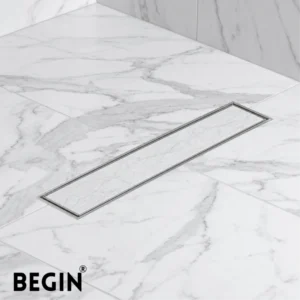
Tile Insert Drain 100×600 mm SS304 with Flip Bowl
Original price was: ₹3,200.00.₹2,450.00Current price is: ₹2,450.00. Add to cart -
25%
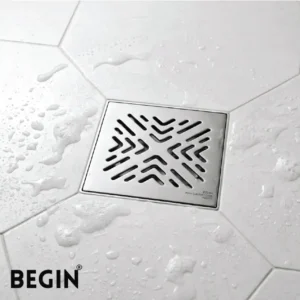
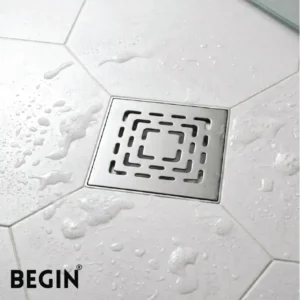
Bathroom Drain Cover 5×5 | Stainless Steel 304
Original price was: ₹417.00.₹313.00Current price is: ₹313.00. Add to cart -
25%
Bathroom Floor Drain Cover 5×5 | Stainless Steel Wonder
Original price was: ₹417.00.₹313.00Current price is: ₹313.00. Add to cart